Euclid council rejects plan to convert landmark office tower to apartments
Summary
The Euclid City Council voted down a use-district exception that would have allowed Euclid Office Campus LLC to convert a largely vacant commercial building at 26300 Euclid Avenue into a multi-family residential development after weeks of debate over safety, tax revenue and neighborhood impact.
A plan to convert a largely vacant office building at 26300 Euclid Avenue into about 190 apartments failed in a roll-call vote by the Euclid City Council on Monday, July 21, 2025.
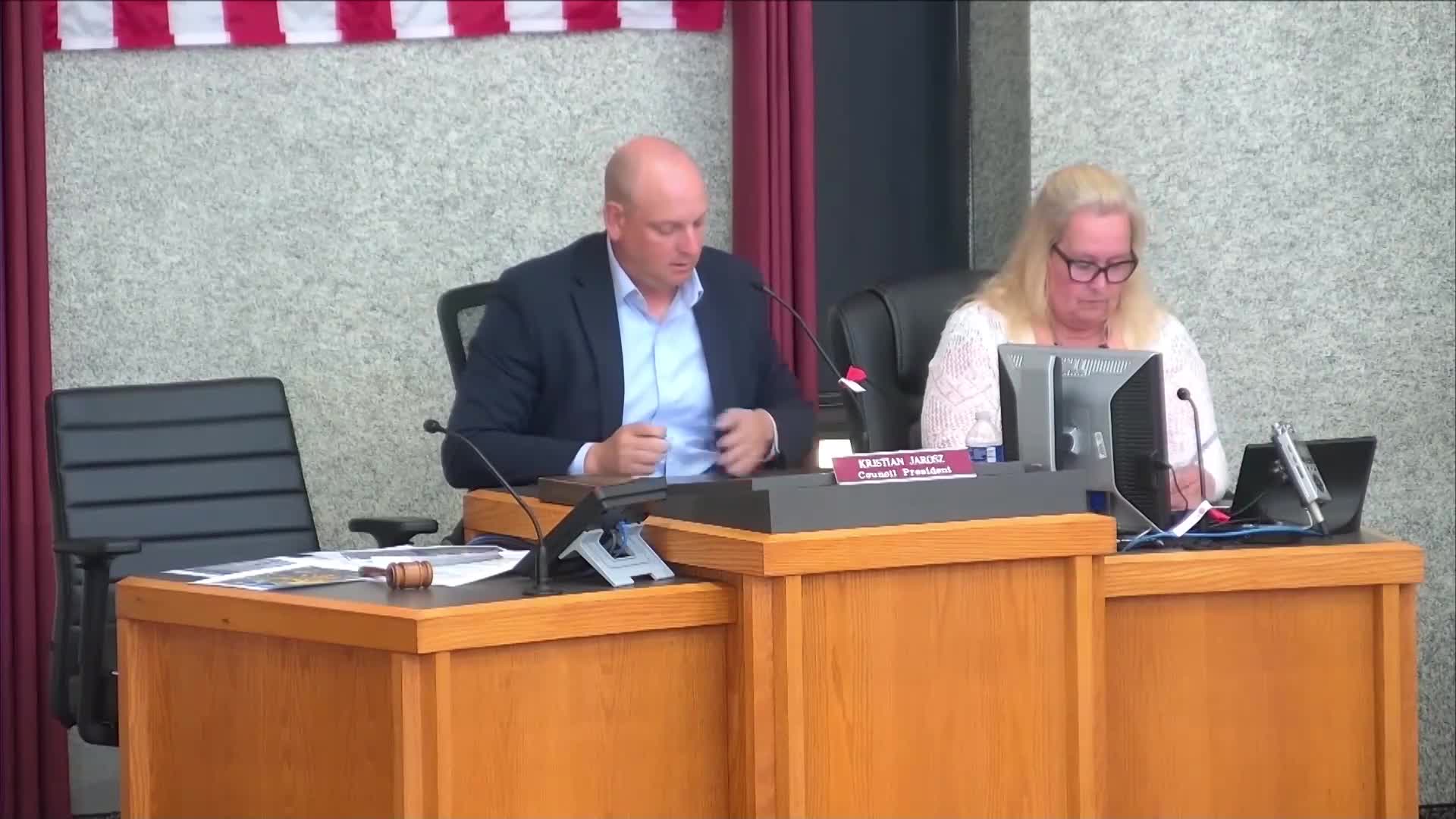
The measure, a third-reading resolution asking for a use-district exception under the city code, drew more than an hour of discussion from council members, city staff, the development team and residents before the council voted 8–3 to reject the proposal.
The proposal’s supporters, including the administration and the project developers, said the conversion would preserve a $55 million investment, retain roughly 20,000 square feet of commercial space in the building and produce more income-tax revenue than the site generates today. Director Groganmeyer told council that the building currently has “approximately 50% vacant” office space and that the project team expects the development’s income-tax yield to exceed current receipts once units are rented.
Opponents focused on neighborhood safety, police and fire capacity, and a preference among several council members and many commenters for owner-occupied housing rather than new rental apartments. Audrey Kaplan Goodman, a resident who addressed the council during public comment, urged council to “vote no on agenda item number 1” and said, “If it’s one thing this city doesn’t need, it’s more apartments.”
Euclid Police Chief Meyer said the department regularly manages a high call volume from apartment complexes and cautioned it could “potentially” increase calls, while Euclid Fire Chief Womack said the department is “stretched fairly thin” though likely able to respond if demand increased.
Developers and the administration described several measures intended to limit crime and operational problems: a gated perimeter, additional lighting, bollards, surveillance cameras, and a tenant selection and management plan that they said would prioritize working families. Developer David Berg noted discussions with the Euclid Police Department and said the project team is “working on the operational side as well” to control access and parking.
Council members weighed those mitigation steps against concerns about the scale of apartments in the city and how the project fits the neighborhood. Councilman Wotilla said the financing—55% of which relies on low-income housing tax credits—meant the project would be “low income housing” and that he remained opposed. Councilwoman Steele and others said they wanted owner-occupied condos but agreed the local real-estate market does not currently support conversion to for-sale units without much higher prices than neighborhood comparables.
The roll call on the resolution produced these votes: Yes — Toulton (Tilton), Jaros. No — Gresham, Cosgrove, Hannum, Wotilla, Diebeck, Steele, Tanner, (and others listed by the clerk). The clerk announced: “Resolution fails.”
What happened next: because the resolution failed, the developer’s proposed use-district exception cannot move forward under the current form presented to council. Several council members said they wanted better timing for receiving staff analyses before meetings and more detailed operational commitments from developers if the project returns in a revised form.
Why it matters: The debate highlighted competing priorities for Euclid’s future development—encouraging private investment in large vacant properties while addressing long-standing concerns about apartment management, public safety and the desire among many residents for more owner-occupied housing.
Looking ahead: The administration emphasized continuing efforts to encourage commercial occupancy through storefront incentive programs and said it would keep engaging developers to attract private investment that the city hopes will spur further neighborhood improvements.