Get Full Government Meeting Transcripts, Videos, & Alerts Forever!
Get email alerts on the Community Advisory Committee topic
No spam. Unsubscribe anytime.
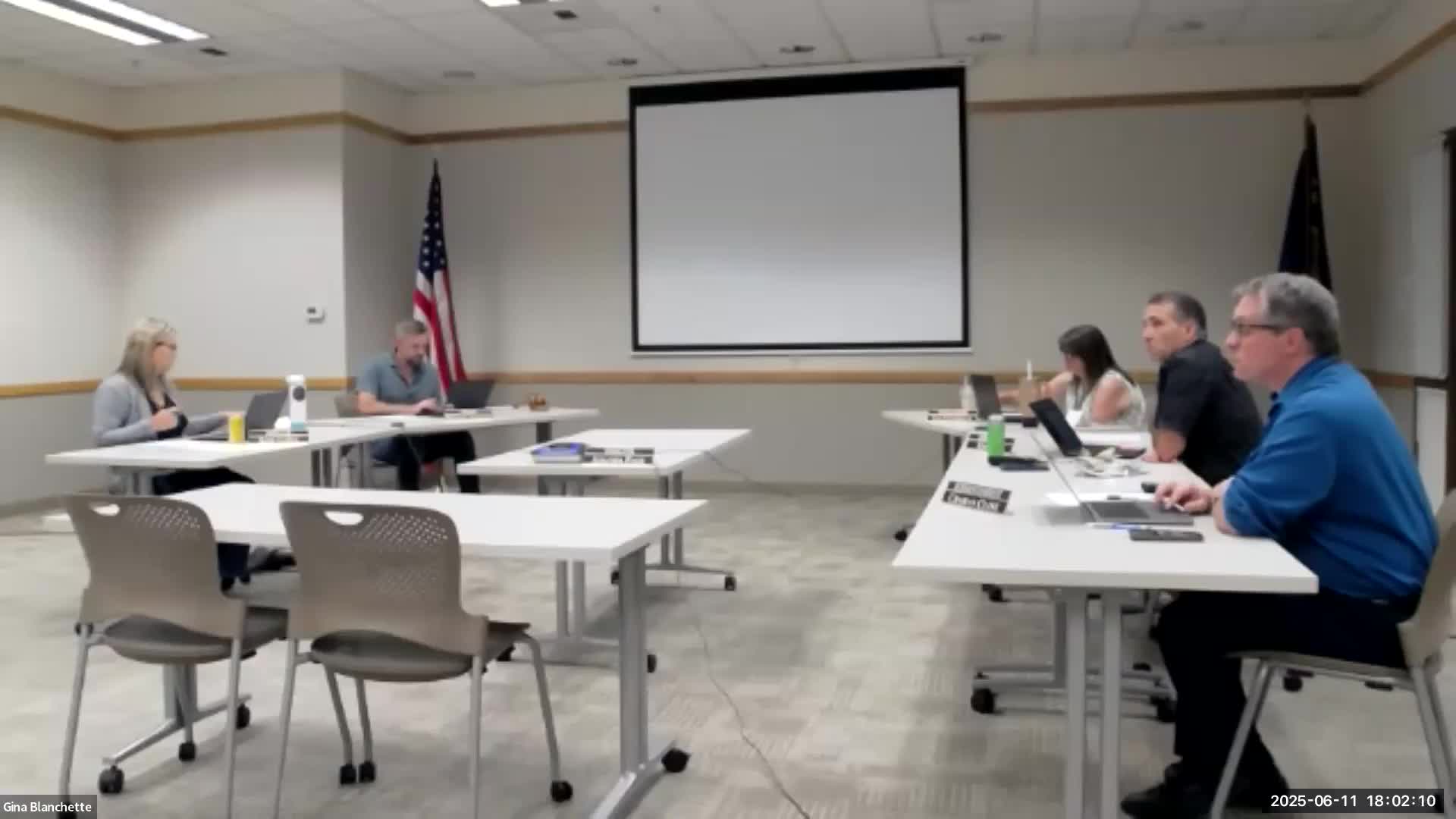
Board reviews proposal for Community Advisory Committee after state law shifts equity‑committee role to superintendent
Summary
Redmond School District staff presented a draft Community Advisory Committee proposal after state legislation moved equity advisory committees to advise the superintendent rather than the school board.
Redmond School District staff presented a draft proposal to create a Community Advisory Committee that would advise the superintendent on equity, safety and related issues after recent state legislation changed the committee’s advisory role.
Heather Peterson, who presented the draft, told the board staff had reviewed other districts’ approaches and planned to recruit members who represent larger community groups or existing partner organizations. Peterson said the district will provide public minutes, regular updates to the superintendent and an optional annual report to the board. She added one committee member would serve on the budget committee once the advisory group is operational.
Peterson said packets included the relevant legislative changes and a draft proposal: “We’ve provided the Senate bill 77 32, which is kind of the initiation of this conversation,” and then noted that House Bill 2453 amended that law to move the advisory committee to the superintendent’s authority. Peterson described the draft as focused on transparency, recruitment of members with lived experience and formal partnerships with local groups that already represent broader constituencies, such as fatherhood organizations.
Board members asked how the committee’s recommendations would relate to board authority. One director said the revised statute allows the superintendent to act on committee recommendations without board approval and asked whether that could lead to policy changes without the board’s consent. Peterson and other board members responded that operational actions and recommendations differ from the board’s policy‑making role; the board remains the district’s policy authority and formal policy changes would continue to follow board processes.
Other substantive points during the discussion: - Size and composition: Peterson proposed 8–12 members to keep meetings functional; the board discussed recruiting representatives from community partner organizations rather than only individual applicants. - Recruitment and representation: Peterson said the district would use an application process and seek people with lived experience who also represent larger groups; several board members asked how the district would evaluate whether an applicant genuinely represented a broader constituency. - Transparency and reporting: Peterson emphasized public minutes and regular updates to the superintendent or superintendent designee; the optional annual report could be presented to the board at the board’s discretion. - Timeline and compliance: Peterson said the law’s effective date and timing mean smaller districts must be “en route” to implementation by September; the presentation described the district as preparing to recruit and establish bylaws and said work toward the committee should begin soon.
There was no formal board action during the session. Board members asked staff for a refined proposal that includes clear bylaws, measurable committee goals and a recruitment plan; Peterson agreed to add a budget‑committee seat and to revise the draft to reflect board feedback. Several directors said they preferred a committee posture framed as partnership—“help us do this work” rather than an adversarial body—and emphasized the need to avoid creating a disproportionate or paralytic influence on district operations.
The board also asked whether the committee would duplicate existing complaint or bias‑reporting processes; staff said the committee would not replace those mechanisms but could help surface lived‑experience issues and advise on carrying policies out more effectively. Board members suggested the committee could help the district identify access or language barriers and surface local concerns that routine outreach misses.
Staff will return with a revised proposal, bylaws and a recruitment plan; the discussion set direction but did not create a new policy or appoint members during the work session.