
Woodlands Township adopts county-aligned tax abatement guidelines; minimum investment and job requirements remain
Get AI-powered insights, summaries, and transcripts
Subscribe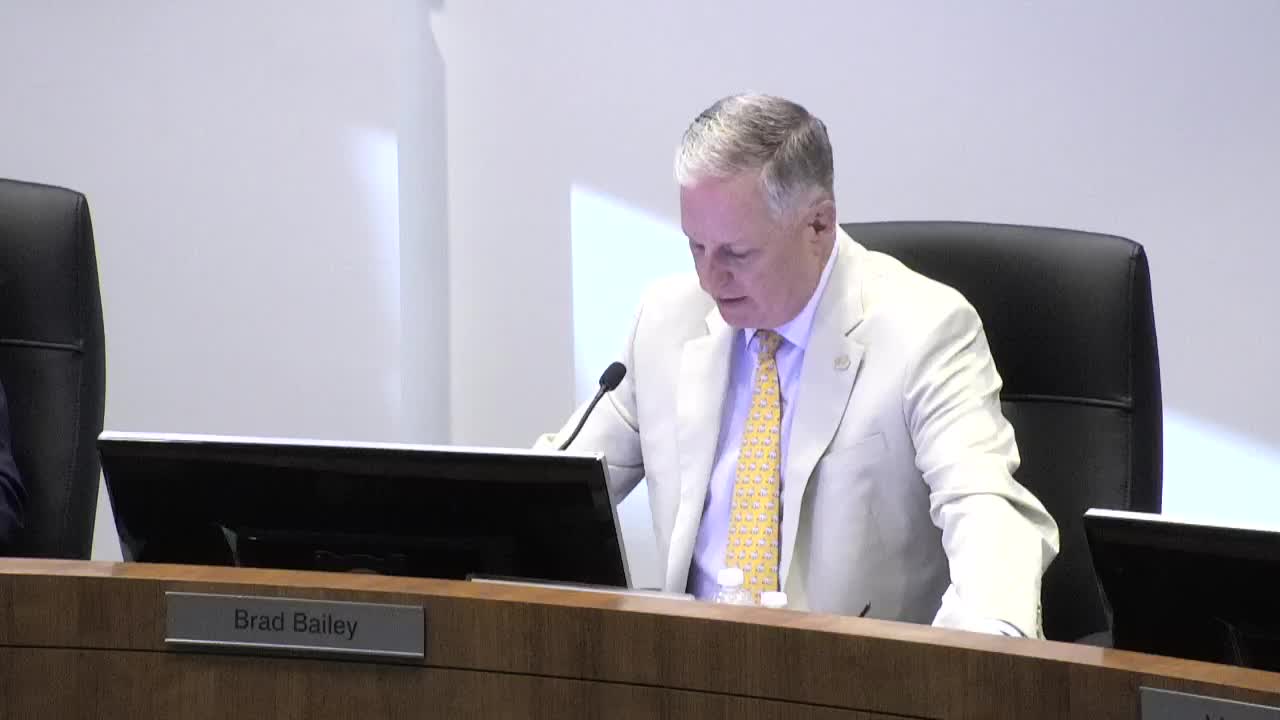
Summary
The board approved Resolution 00925 adopting the county's tax abatement guidelines, aligning the township's timeline and criteria with Montgomery County and setting minimum investment thresholds and job requirements for potential abatements.
The Woodlands Township Board of Directors voted May 28 to adopt Resolution 00925 to align the township's tax abatement guidelines and criteria with recent Montgomery County standards.
Why it matters: The guidelines set the threshold for when the township may consider property tax abatements as an economic development tool. They do not create an abatement on any property; they only establish the criteria the board would use if a specific abatement request arrives.
What the proposal said: Township staff explained that state law enables taxing jurisdictions to adopt guidelines and that, historically, the township follows the county's lead on abatement timelines. The county readopted its standards in February 2025 and staff recommended amending the township's guidelines so both jurisdictions follow the same biennial cycle. "We are asking that we align our timeline with the county since the county updated in February," the staff briefing said.
Key thresholds described in the briefing included a minimum added taxable value of $10 million for projects considered under the criteria and a requirement that an abatement application be tied to at least 10 full-time jobs. Staff said abatements vary by investment level and that terms (percentage and length) would differ depending on the scale of investment.
Process and limits: Staff emphasized the guidelines establish the board's ability to consider abatements but do not obligate action. Each proposed abatement would be vetted by the board and then considered before the county commissioners court on the same property. Staff noted the township cannot grant an abatement on a property for which the county has not offered one because enabling Texas statute requires following county action.
Board action: Director Frank moved to adopt the resolution; Director Heiser seconded. The motion carried.
Ending: The resolution resets the township's two-year abatement cycle to match county timing and keeps the board's review and voting powers intact if a developer later requests abatement.