
House Subcommittee: Community care, scheduling and EHR gaps hinder rural veterans’ access to timely care
Get AI-powered insights, summaries, and transcripts
Subscribe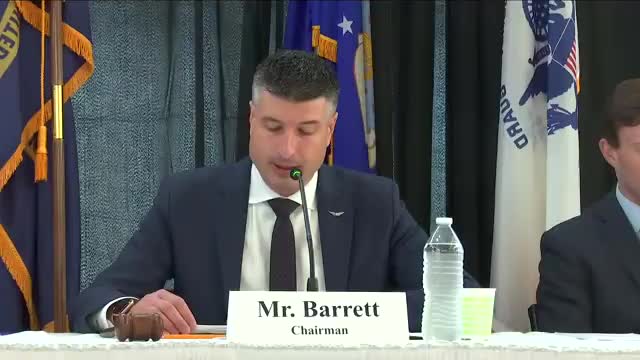
Summary
Chairman Barrett, chair of the Subcommittee on Technology Modernization, told a field hearing in Urbana that geography should not block veterans from care, but witnesses described several barriers that leave rural veterans waiting or traveling long distances for specialty services.
Chairman Barrett, chair of the Subcommittee on Technology Modernization, told a field hearing in Urbana that geography should not block veterans from care, but witnesses described several barriers that leave rural veterans waiting or traveling long distances for specialty services. Testimony and exchanges focused on the Veterans Community Care Program, new scheduling tools, and the need for reliable two‑way electronic health record access between VA and community providers.
Why it matters: Roughly a third of VA‑enrolled veterans live in rural areas, witnesses said, and many need specialty care that is not available at local VA community-based outpatient clinics (CBOCs). Without faster referrals, clearer payment and records exchange, veterans can face lengthy waits, duplicated exams, or follow‑up gaps that pose risks to health outcomes.
Witnesses from VA and local veteran organizations outlined the problems and possible fixes. Dan Zomchak, Network Director for VISN 12, said the Veterans Community Care Program connects veterans with a network of “over 1,400,000 non‑VA providers” and stressed that community care “is VA care and millions of veterans rely on it every single year.” John Lawson, superintendent of the St. Clair County Veterans Assistance Commission, told the panel that CBOC capacity in his county has been overwhelmed: current clinic patient‑panel caps limit how many veterans can be seen locally and force many to travel to the St. Louis VAMC for specialty care.
Lawson said the Shiloh CBOC’s five patient aligned care teams each have maximum patient loads (about 6,000 per PAC team), and combined coverage at current and forecasted CBOCs still represents a minority of eligible veterans in the two congressional districts served. ‘‘We do need a much larger footprint and improved service capacity for our veterans by way of a higher level of care facility,’’ he testified.
Several witnesses and members described coordination problems that arise when community providers and VA teams cannot quickly share records. Christina Shower, president of Tri State Women Warriors, and Lawson both urged seamless two‑way electronic health record access so community clinicians can see relevant VA records and vice versa. ‘‘Successful implementation of a comprehensive EHR is paramount to ensure the seamless flow of communication across care teams,’’ Shower said.
Members and witnesses discussed the external provider scheduling (EPS) system, a VA pilot that allows schedulers to see real‑time availability across VA and community provider appointment grids. Dan Zomchak called EPS “a great thing” that can shorten scheduling from days or weeks to minutes, but said implementation requires both local VA clinics to open slots and community partners to populate their availability. Peter Caboli, from the Office of Rural Health, said EPS has ramped up quickly where used: ‘‘There were 4,000 appointments made last month in June,’’ he said, and added that partnerships with local health associations help bring community clinics onto the grids.
Quality and administrative friction in outsourced exams also surfaced. Kim Kirchner, an Air Force veteran, described a compensation and pension exam scheduled by VA with a contract provider where the examiner could not initially find his records and completed what he called a ‘‘three‑minute’’ review. The claim was initially denied, and Kirchner testified he had to re‑examine to get a correct outcome. Members asked VA to follow up and clarify qualification standards for contracted examiners.
Payment, billing and provider participation were recurring concerns. Lawson urged faster, automated approvals for community care authorizations and clearer provider payment portals to prevent billing errors for veterans. Witnesses said payment rates can be acceptable to community clinicians but that administrative burden — records exchange, unclear billing, and slow payments — sometimes discourages participation, especially in rural practices already operating at thin margins.
What’s next: Witnesses recommended expanding EPS pilots, prioritizing two‑way EHR access for community clinicians (via secure portals or role‑based access), improving community care authorization timeliness, and clarifying standards and oversight for outsourced exams. Members said they would carry these operational findings back to committee work in Washington and pursue legislative and oversight tools to expedite scheduling, records interoperability and payment clarity.
Ending: The field hearing underscored that community care can extend VA reach in rural areas but depends on administrative systems — scheduling, records and payments — working reliably. Lawmakers and VA witnesses said the subcommittee will continue to follow pilots and implementation outcomes as those tools are rolled out to more facilities.