
Parole board reinstates Danny DuSelle to supervision; orders residential treatment at Broken Wings
Get AI-powered insights, summaries, and transcripts
Subscribe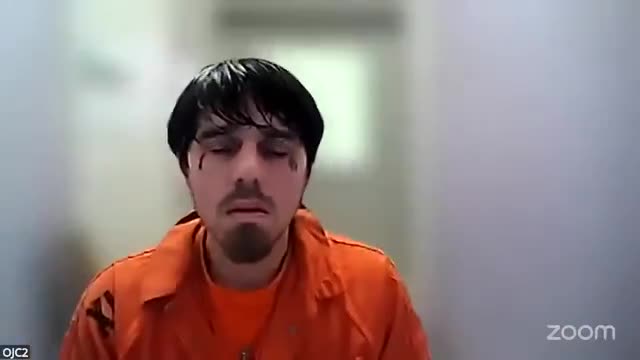
Summary
The Committee on Parole voted not to revoke Danny DuSelle’s parole and directed that he be placed in the Broken Wings residential substance-use program with drug testing and outpatient follow-up.
The Committee on Parole, acting as a three-member panel, voted to reinstate the parole of Danny DuSelle and place him in the Broken Wings residential treatment program instead of revoking his supervision. The decision followed testimony from DuSelle, his social-work intern Erica Foustay, and public defender Rebecca Goldstein about his homelessness, substance-use history and an individualized reentry plan.
The board opened the revocation hearing by reading the alleged violations, which included absconding supervision and an arrest in March 2025 on an aggravated-battery charge that was later refused. DuSelle pleaded guilty with a statement to failing to report and not guilty to the new criminal allegation. Rebecca Goldstein told the panel that the March battery charge was refused and supplied an affidavit and other materials arguing DuSelle was not the perpetrator in that incident.
Erica Foustay of the Orleans Public Defender’s Office described biweekly contact with DuSelle since his arrest and said he had been accepted into Broken Wings Recovery Center in Bastrop, Louisiana, a faith-based residential program that provides peer support, medication management and intensive therapy. Goldstein and Foustay outlined a discharge plan including case managers, housing search and employment assistance.
After questions from the panel about DuSelle’s substance-use and homelessness history, the board members conferred. The panel’s votes were to not revoke parole and to direct that DuSelle be transferred from the Orleans Justice Center to Broken Wings. Board members attached conditions including participation in the 28‑day inpatient program, random drug screening, weekly AA/NA or similar meetings, and adherence to outpatient recommendations after residential treatment.
Board members warned DuSelle that future violations would lead to revocation. The parole panel instructed him to contact his probation officer upon arrival at Broken Wings and complete the program’s recommended aftercare plan.
The parole hearing record shows the panel’s decision was made following testimony from defense counsel and social‑work staff and is conditioned on DuSelle’s enrollment and compliance with Broken Wings’ program and any follow-up treatment.