
Residents urge West Lafayette to adopt resolution protecting gender-affirming care; council forms working group
Get AI-powered insights, summaries, and transcripts
Subscribe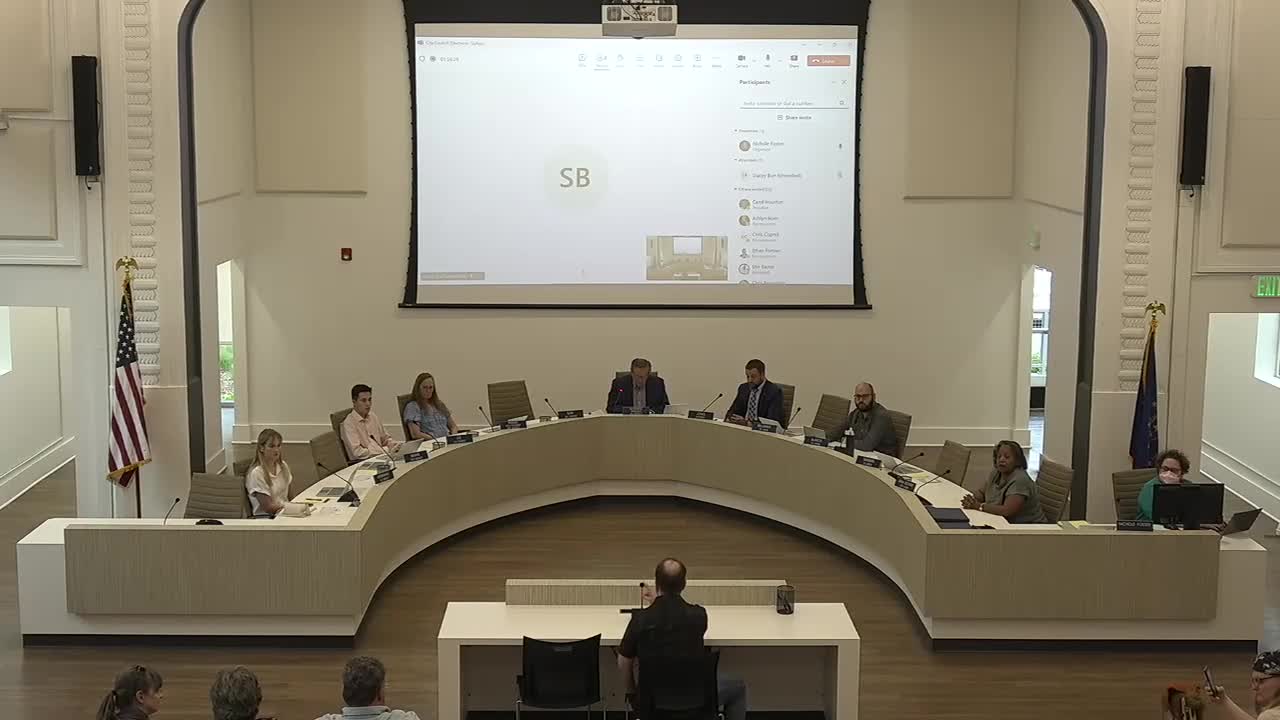
Summary
Dozens of residents urged the council to pass a local resolution protecting access to gender-affirming care for residents; the council said it will form a working group of council members to draft or review possible language.
Dozens of residents on June 2 urged the West Lafayette Common Council to adopt a local resolution in support of gender-affirming care, citing public-health guidance and the potential harm from state and federal restrictions. Commenters asked the council to follow Bloomington’s example and pass a statement directing local officials and law enforcement to deprioritize enforcement actions that would interfere with access to medically prescribed care.
Speakers included community members, teachers, clergy and public-health workers who said gender-affirming care is life-saving medicine. Benjamin Davis told the council he supports a resolution to “push back against these, kind of hateful acts from our legislation” and urged local leadership to protect residents who depend on care. Lily Pendleton, who works with Tippecanoe County libraries, said Bloomington’s prior resolution is a succinct model and noted West Lafayette’s municipal code already lists gender identity and expression as protected classes.
Several speakers described personal experience and risks. A. J. (AJ) Dunn described barriers to work and health care he faced before receiving gender-affirming care; Reverend Kurt Freeman said clergy see the mental-health consequences of restricted access, noting he has presided at suicide funerals for LGBTQ youth. Commenters repeatedly asked the council for a clear public statement that West Lafayette is a safe community for transgender residents and their families.
Council response: At the end of public comment the presiding council official told speakers the council had been in contact with organizers and said it had established a small group of council members — Bellisario, Lee, Parker and the presiding official — to meet with community representatives and work on draft language. The presiding official asked for community help in that process and said the group would attempt to produce a resolution the full council could consider.
Discussion versus action: No resolution was on the June 2 agenda and the council did not vote on any ordinance or resolution that night. The council’s next step, as announced in the meeting, is internal meetings among the named council members with community representatives to draft possible language for future consideration.
Ending: Community members who addressed the council asked for prompt action and for the council to place a resolution on a future agenda; the council indicated it will meet with stakeholders before deciding on formal language.