
Speakers say solar, wind and battery storage are easing strain on state power grids
Get AI-powered insights, summaries, and transcripts
Subscribe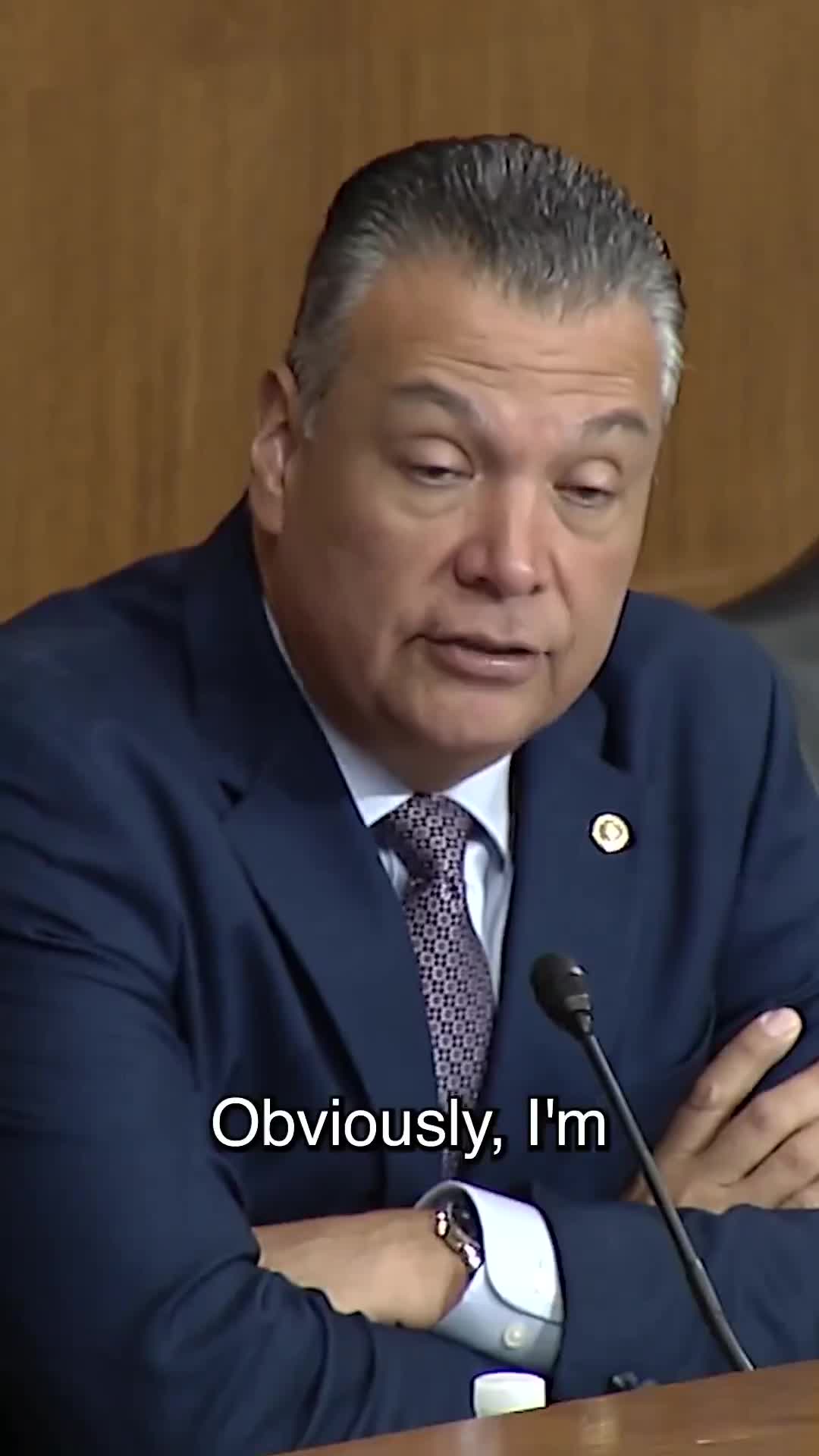
Summary
In a brief exchange in the meeting transcript, two speakers discussed how increased solar and wind generation, paired with battery storage, are supporting grid reliability in states including California and Texas, and argued that renewables-plus-storage are broadly applicable across political lines.
In a meeting transcript, two participants discussed how expanding solar and wind generation, combined with battery storage, is helping states meet high electricity demand and improve grid reliability.
The exchange noted California’s investments but stressed other states are increasing renewable capacity. "Obviously, I'm proud to represent California. We're, proud to be a policy leader on not just building capacity, but, lowering our emissions footprint as a result," said Commenter 1, a meeting participant. Commenter 2, a meeting participant, responded that "the whole center of the country from Texas up through, North Dakota have a tremendous, penetrations of both solar and wind. Texas, the last couple days, has had over 80 gigawatts demand. They're nearing record, demand, and a majority is being met with solar, wind, and battery storage."
Commenter 2 added that storage is being used to shift solar generation into the evening: "They're using storage just as you suggest and just as you do in California when the sun's setting. That's when the batteries have charged up with all the solar power, and then they discharge to keep the evening, lights on."
The discussion framed renewables-plus-storage as a nonpartisan reliability measure: "So renewables plus storage is not a democratic agenda or republican agenda. It's just common sense," Commenter 1 said.
No formal motion, vote, or policy action appears in the transcript segment provided. The remarks were a discussion of observed trends and cross-state examples rather than a proposal or directive.