
Kandiyoi human services director warns of uncertain budget and operational impacts from new federal Medicaid and SNAP rules
Get AI-powered insights, summaries, and transcripts
Subscribe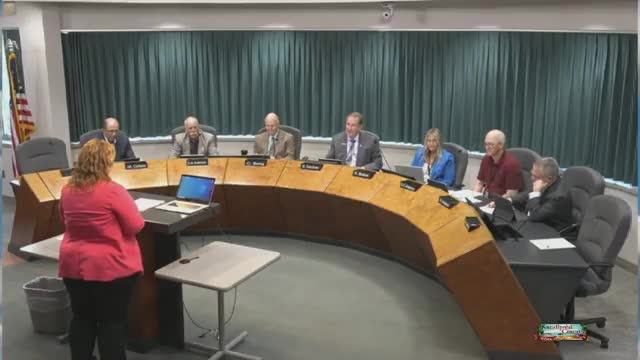
Summary
Health and Human Services Director Caroline Khan told commissioners July 17 that federal changes in a July 4 legislative package will reduce federal reimbursement for certain Medicaid and SNAP administrative costs, expand work requirements and could shift costs to states and counties; implementation details and timelines remain unclear.
Caroline Khan, Kandiyoi County Health and Human Services Director, briefed the Board of Commissioners on July 17 about federal changes to Medicaid and SNAP included in legislation signed July 4 and the agency’s anticipated local effects.
Khan said the legislation reduces the federal match for some Medicaid emergency care from 90% toward 50%, creating a potential 40% funding gap unless states assume the difference. She said the county relies on Medicaid reimbursement for some hospital and emergency services and that changes could increase reliance on public health and county safety‑net services.
On SNAP, Khan said starting federal fiscal 2027 the federal government will reduce administrative reimbursement from 50% to 25% for certain activities, and beginning fiscal 2028 states may be required to cover 5–15% of SNAP benefits if certain error‑rate thresholds (6%, 8% or 10%) are exceeded. Khan said Minnesota’s current error rate is about 8.9 percent, which could trigger state participation under the law; she noted the law’s guidance remains unclear on how error rates are defined, how costs will be apportioned, and whether changes will be borne by the state or pass to counties.
Khan said the law expands work or engagement requirements for able‑bodied adults without dependents up to age 64 and will end SNAP eligibility for some non‑citizen humanitarian/parole statuses, likely increasing demand for local food shelves and community resources.
Kandiyohi County employed three additional eligibility workers earlier in 2025 using state “unwinding” funds, Khan said, and those hires have allowed the department to begin training and capacity building. She urged caution and called the immediate period “hurry up and wait,” noting she and county partners are participating in state roundtables and webinars while awaiting implementation guidance.
Commissioners asked about timelines, state vs. county responsibility for cost shifts, potential effects on rural hospitals and other providers, and what the county can do now. Khan and commissioners agreed the county should continue preparing staffing and training, explore technology and process improvements, and press state leaders for clear funding commitments before a full policy rollout.
No formal vote was taken. Khan said the department will continue to monitor guidance from the state and federal governments and return with more detail as implementation rules arrive.