Get Full Government Meeting Transcripts, Videos, & Alerts Forever!
Get email alerts on the Continuing Education topic
No spam. Unsubscribe anytime.
Connecticut plumbing board approves new continuing-education curriculum; members debate online classes
Summary
The Plumbing Piping Work Examining Board approved a revised continuing-education curriculum and voted to keep the requirement at five hours, while members debated continuing online delivery and technical problems with virtual classes.
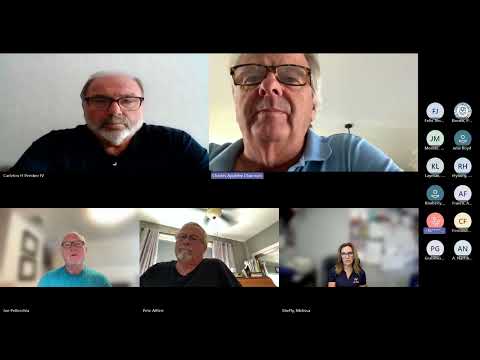
Connecticut’s Plumbing Piping Work Examining Board on April 24 approved a draft continuing-education curriculum that sets the board's current training requirement at five hours and gives providers the framework to seek board approval. Board members said the curriculum was a months-long effort by a working group and voted to accept the draft as presented. Erin Akbar moved to approve the curriculum and Melissa Sheffey seconded the motion; the motion passed with one abstention. The vote follows months of work to standardize continuing education for the plumbing trade in Connecticut. Board members said the new curriculum will be published for providers to begin preparing approved courses for the 2025'26 cycle. Members also raised concerns about whether providers should be permitted to deliver board-approved courses online. Several members said younger trainees prefer virtual classes while others said online instruction has been less effective and can produce technical delays. Joe Pilecki, who proctors continuing education, said remote meetings can be "a technical nightmare" and make participation and verification challenging. Several board members asked staff and providers to collaborate on technical and attendance verification improvements before changing course delivery rules. The board did not adopt a new ban on online classes. Members asked staff to send the approved draft curriculum to providers and to continue work with providers to limit technical failures and ensure students receive the full instruction they paid for. Board members and staff said continuing-education providers should preserve attendance records and be prepared to notify students if a live session is disrupted. The board also directed staff and the provider working group to explore whether timelines for online classes should be extended if technical interruptions occur. The curriculum vote closes a multi-month working-group process and opens a period for providers to finalize course offerings for board approval.