Get Full Government Meeting Transcripts, Videos, & Alerts Forever!
Get email alerts on the Ethics Complaints topic
No spam. Unsubscribe anytime.
House approves changes to ethics‑complaint process, including disclosure and penalties
Summary
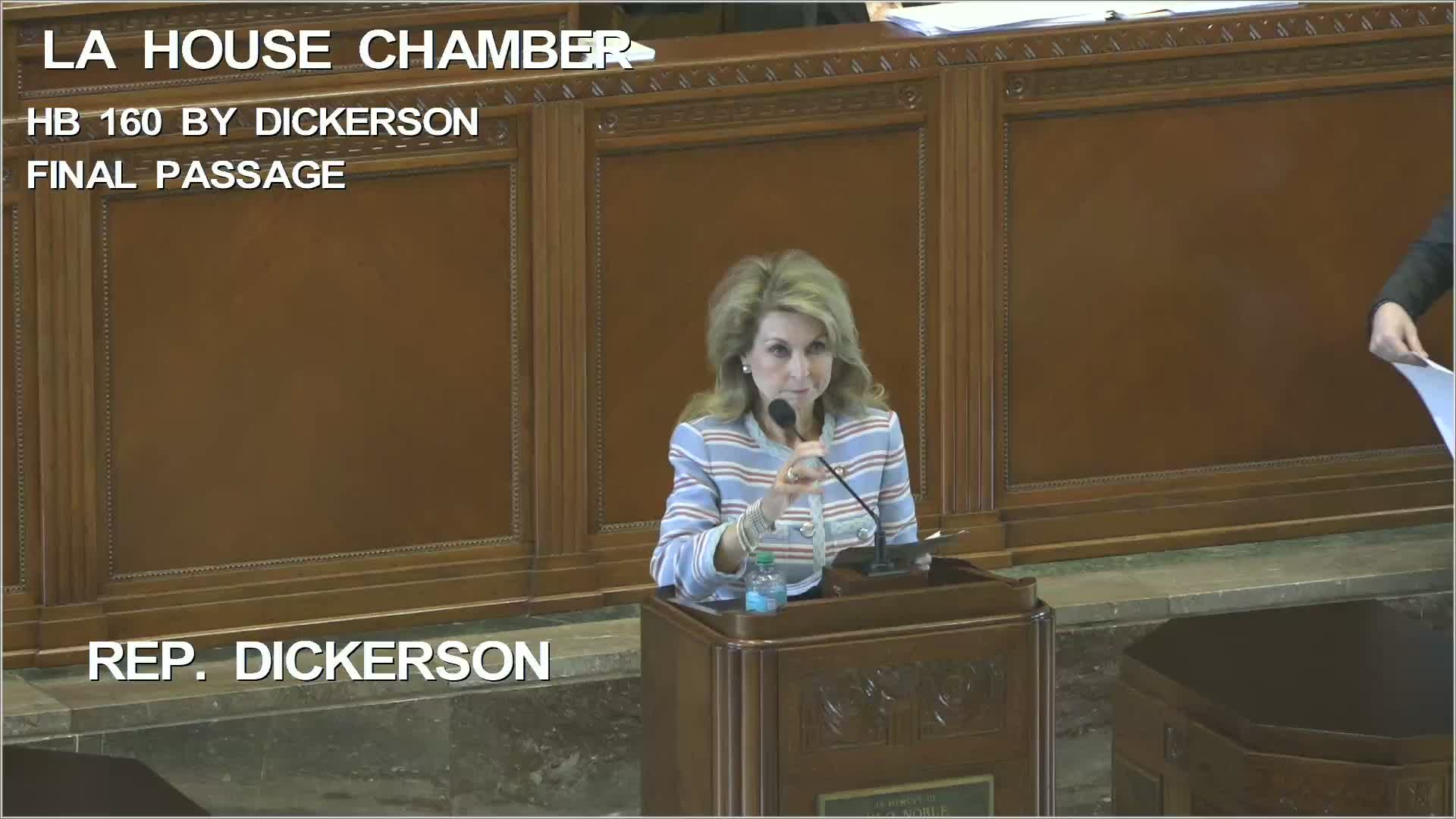
The House passed a bill by Representative Dickerson that restricts anonymous complaints to the Board of Ethics, authorizes sworn mailed complaints, adds a retaliation provision and creates penalties for knowingly filing false complaints; the measure passed 88–7 after extended floor debate.
The Louisiana House on Monday approved legislation by Representative Kim Dickerson intended to change how the state Board of Ethics receives and handles complaints. The measure passed 88–7.
Sponsors described the bill as a response to residents and local officials who said anonymous or loosely sourced complaints had led to costly investigations and attorney fees without clear follow‑through. Critics warned the bill could chill legitimate reporting and reduce transparency.
Under the bill, complainants may submit a sworn, notarized mailed complaint to the Board of Ethics when they cannot appear in person. The bill adds a written retaliation prohibition and includes a penalty section for knowingly filing a false complaint. It also bars using social‑media posts as the sole basis to open an investigation, language the sponsor said is intended to reduce complaints that originate from online posts.
Representative Dickerson gave personal testimony about a family member who faced an ethics inquiry she said was costly and ultimately unfounded; she said the bill seeks to reduce the burden on individuals and restore confidence in the complaint process. On the other side, several members said they worry the measure could deter whistleblowers and that the ability to submit anonymous tips to launch legitimate investigations should remain in some circumstances.
Members questioned staff about the Board of Ethics’ intake. The sponsor referenced a number — 127 — for the count of anonymous complaints flagged in a staff response; members asked how many of those led to credible findings. The sponsor said the information on outcomes was not immediately available on the floor.
The bill also creates a penalty for filing a false accusation and includes a retaliation clause for people targeted after a complaint is filed. Several lawmakers who supported the bill compared the process to disciplinary procedures for licensed professionals and said a right to respond should be preserved.
After debate and floor questions, the House approved the bill 88–7. The measure moves to the Senate for further consideration.