Get Full Government Meeting Transcripts, Videos, & Alerts Forever!
Get email alerts on the Governance topic
No spam. Unsubscribe anytime.
Proposed Aquarian sale would shift oversight and set new board structure for regional authority
Summary
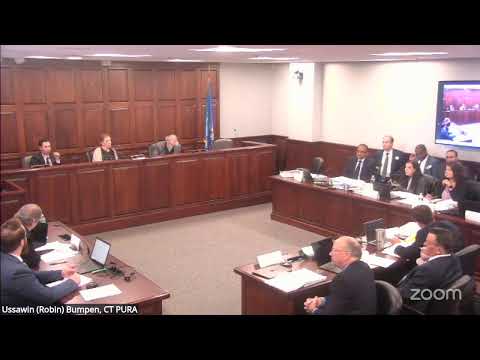
Interim leaders of the South Central Connecticut Regional Water Authority (RWA) and Aquarion told PURA on Aug. 19 that the sale structure approved by state legislation would move regulation of the acquired Aquarion Connecticut operations out of PURA and into a new authority model, with an 11‑member authority board governing the combined utility.
Interim leaders of the South Central Connecticut Regional Water Authority (RWA) and Aquarion told PURA on Aug. 19 that the sale structure approved by state legislation would move regulation of the acquired Aquarion Connecticut operations out of PURA and into a new authority model, with an 11‑member authority board governing the combined utility.
The change matters because the authority model gives local representative policy boards and the authority board primary roles in capital approvals and rate filings instead of PURA. Witnesses said the new board will have 11 members: six appointed by RWA’s representative policy board and five appointed by the AWA representative policy board. The RWA-appointed majority on the authority board drew repeated questioning from intervenors about potential conflicts when a single board approves budgets and officer compensation that the authority will charge to separate ratepayer groups.
Petitioners’ witnesses described how decision authority is divided: the authority board will approve operating and capital budgets, but representative policy boards (RPBs) vote on major items such as large projects and rate filings. Rochelle Kowalski, RWA chief financial officer, testified that capital projects above thresholds and the rate‑setting steps still require representative policy board involvement and public hearings. Witnesses said the authority board would review officer compensation and larger management decisions and that day‑to‑day operations remain the responsibility of management.
The hearing record also covered the role and budget of the Office of Consumer Affairs (OCA) that represents customer interests inside the authority structure. Witnesses said the OCA will serve both RWA and the new AWA post‑transaction. The OCA’s budget is approved through the authority process; witnesses said the budget may grow if the office takes on the additional workload of representing a larger customer base after a transfer. Petitioners told the panel the OCA participates in finance and consumer‑affairs committee meetings and can hire consultants when needed.
Intervenors pushed petitioners on checks and balances: how authority board members will reconcile duties to both entities, how officer compensation and benefit decisions will be allocated across two ratepayer bases, and what procedural safeguards exist for perceived conflicts. Petitioners responded that board members have fiduciary duties to the organization on which they vote and that any questionable conduct could be addressed by removal under the authority’s rules. Petitioners said they expect regular consultation between the authority board, the RPBs and the OCA and that major decisions will be publicly noticed and subject to the authority’s required hearings.
Looking ahead, petitioners said the model preserves multiple procedural protections (public notice, RPB votes, public hearings and an OCA review) while allowing the authority to issue tax‑exempt debt and share operational practices between the two utilities. Intervenors said those features may change the balance of oversight and asked PURA to weigh the public‑interest consequences of moving review and final approvals out of PURA and into the authority structure.
The hearing record on governance is extensive; petitioners provided statutory citations and interrogatory responses describing the appointment process, committee review steps, and budgetary flow. The parties agreed that PURA retains the authority to approve or deny the change of control; if PURA approves the transaction the statute and the authority’s internal rules will define the post‑closing review process.
The hearing was continued; petitioners and intervenors were ordered to file supplemental materials requested during cross‑examination, including documentation about the authority board rules, OCA budget history and staffing, and templates the authority will use for public notices and capital project applications.