Get Full Government Meeting Transcripts, Videos, & Alerts Forever!
Get email alerts on the Animal Control topic
No spam. Unsubscribe anytime.
Lapeer County meeting draws large public outcry over proposed animal-control changes
Summary
Dozens of residents and rescue volunteers told the Lapeer County Board of Commissioners they oppose shortening shelter stays and other changes raised in recent public comments; commissioners say no formal proposal is before the board and urged more community engagement and enforcement review.
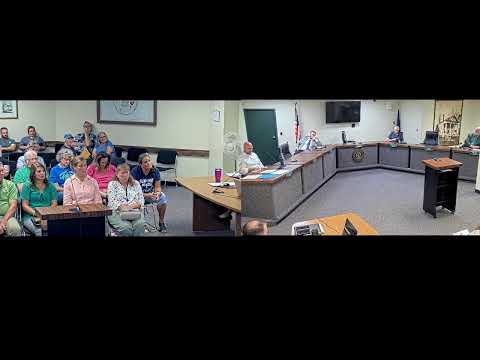
Dozens of Lapeer County residents and animal-welfare volunteers filled the boardroom Thursday to protest a suggestion raised in recent public remarks about imposing a 30‑day limit on how long animals are kept at the county shelter. The topic drew the meeting's largest public turnout and multiple speakers urging the board not to adopt a short‑stay euthanasia policy.
Why it matters: Animal‑control operations, shelter capacity and the county's role in enforcement and funding were central to the discussion. Citizens said a change to a short maximum length of stay would reverse years of volunteer-driven improvements and reduce opportunities to rehabilitate and rehome animals; county officials said enforcement and facility limits also drive outcomes and that no formal policy vote was scheduled.
At the meeting, former and current shelter volunteers, rescue directors and residents described a string of local improvements — from expanded volunteer programs and socialization to better veterinary care — that they say increase live‑release rates and community support. “A 30 day time frame for length of stay of animals is not the answer. In fact, that is going way backwards,” said Wendy Yaks, a longtime volunteer (public comment). Carrie Riojas, who worked at the Lapeer County shelter in 2024 and now runs a county cat rescue, urged expanded hours, greater public access to animals and staffing changes: “The shelter is currently open just 4 days a week from 9AM to 4PM. These hours do not work for most residents… If people can't see the animals, they can't adopt them.”
Speakers described operations that now include appointment viewing, foster and volunteer programs, community fundraising and partnerships with local rescues. Several rescue leaders warned that a 30‑day automatic limit would shortcut necessary medical care, hold periods and networking time that often lead to adoptions, and that many dogs require weeks of medical and behavioral work before placement. “Killing these dogs is not the resolution. It's making people in our community responsible,” said one volunteer who recounted recent cruelty cases and court outcomes.
Commissioners responded that the topic had escalated after a commissioner’s earlier comments and that no ordinance or policy was before the board. Commissioner Scott McMahon said he had raised the 30‑day idea to draw attention to a problem and later described it as “a starting point for discussion. It was not a proposal.” Several commissioners repeated that enforcement of animal‑abandonment and cruelty statutes rests with the county prosecutor and local law enforcement; they encouraged residents who are concerned about enforcement or prosecution to contact the prosecutor’s office.
The board and speakers also discussed the county's planned new animal‑control facility. Chairman Howell and other commissioners said the county is appropriating funds for a new building and expects the new facility to address many operational problems. Commissioners and speakers urged more volunteer engagement, broader adoption outreach, and pursuing grants and partnerships with statewide organizations that assist shelters.
What happened next: No vote or formal action on shelter policy occurred at the meeting. Commissioners said the issue will be discussed further in committee and during budget hearings; multiple speakers and county staff offered to meet with commissioners and animal‑welfare organizations to craft alternatives to an outright time limit.
Ending note: The meeting drew sustained public comment and repeated offers from statewide nonprofits and local rescues to help the county develop best practices, expand adoption access and pursue grant funding. Residents urged the board to prioritize enforcement of abandonment and cruelty laws, more shelter visibility and collaborative approaches rather than an automatic short‑stay euthanasia policy.