Get Full Government Meeting Transcripts, Videos, & Alerts Forever!
Get email alerts on the Employee Benefits topic
No spam. Unsubscribe anytime.
Brevard board, staff outline multi-year overhaul of employee health benefits
Summary
Board members and staff presented a multi-part plan to reduce benefit costs and increase access, including expanded clinic-based care, targeted “carve-outs” for high-cost conditions and a three-tier plan that would roll out in 2027 if approved.
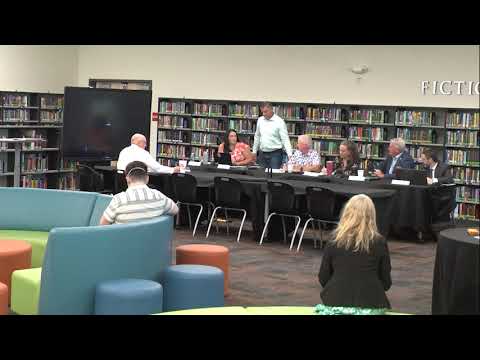
Brevard Public Schools board members and staff spent the bulk of a July 22 work session laying out a multi-year plan to change how the district delivers and pays for employee health care, with officials saying the effort aims to reduce rising costs and increase access to earlier, one-stop care.
Board member "Mister Susan," who led the presentation with staff and outside consultants, said the board and staff have been working on the issue “for the last 18 months” and proposed a phased approach that would not be fully implemented before 2027. “We need to create a work group that works with employee groups, school boards, consultants and benefit staff,” he said.
Why it matters: District officials and board members repeatedly told the meeting that staff and teachers have raised repeated concerns about premiums, plan clarity and ease of use. Staff said certain clinical models — a single-site or localized clinic that provides primary care, diagnostics and many routine procedures — can significantly reduce downstream hospital and specialist claims and improve early detection of costly conditions such as cancer.
The plan on the table is three-tiered. One tier would offer a clinic-focused, low-cost option in which employees use a local clinic for most care and avoid duplicate visits and referrals. A second would be a “healthy group” plan that emphasizes preventive screening, biometrics and routine disease management, with incentives tied to engagement. The third was presented as a high-cost, low-engagement option the presenter called an “Armageddon” plan — available for employees who prefer minimal screening and higher personal cost. The district would continue to offer multiple plan options so employees can choose coverage that fits their needs.
What staff described at the meeting: - Clinic model: Staff described modern integrated clinic models they said can handle a large share of claims in-house (presentation slides cited an industry estimate that roughly 80–86% of claims can be handled inside a comprehensive clinic). The district currently spends roughly $4–5 million on its clinic network, staff said, and new clinic models the district is considering would operate under different financial arrangements, sometimes with per-member-per-month fees and guaranteed savings offered by vendors. Staff emphasized that some vendors guarantee dollar-for-dollar savings as part of the proposal and that some vendors have projected long-term, double-digit percentage savings; the district will test such claims in formal proposals. - Targeted carve-outs: Staff proposed “carve-out” contracts for very high-cost conditions, most notably cancer care, that would give employees access to specialty care networks and concierge-style navigation. Staff said a cancer carve-out is slated for board consideration at the next regular meeting. - Participation and communications: The district has about $200,000 in wellness dollars from its current insurer that staff suggested could be repurposed to fund “benefits champions” or a benefits counselor at larger worksites to ensure employees know available services — including lower-cost programs such as Surgery Plus, which several presenters credited with saving the district nearly $2 million a year when used. Presenters also urged a short video library and ongoing employee surveys to track satisfaction and participation. - Data and procurement: Staff said inconsistent data from brokers and consultants has slowed decisions and proposed creating a central data warehouse so vendors and analysts can access standardized claims information. Superintendent Dr. Rendell said staff is “exploring the option of a different broker” before their existing broker contract ends Jan. 31, 2026, and that any major change would return to the board as a formal recommendation.
Voices from the meeting: Ryan Dufresne, the district HR/benefits official present at the session, called the current experience “costly when people have to go through multiple appointments,” and highlighted Surgery Plus and other programs the district already uses. Chris McAlpin, an industry representative the district invited, briefed the board on preventive screening and employer-health collaboration models used in other Florida districts.
Next steps and timeline: Staff said the district will continue vendor vetting and has scheduled a formal presentation by a benefits/health-trust group at a subsequent meeting (a vendor presentation was referenced for the Thursday following the work session). Staff asked for direction on several near-term items: whether to run a request for proposals for clinic services when the current clinic contract is out for bid; whether to fund school-based benefits champions with current wellness dollars; and whether to pursue an expanded clinic build-out in partnership with county and city employers. Several board members asked for claim-level analyses comparing current claims to the claims that would have been handled in the clinic model; staff said they will bring that analysis back.
Ending: Board members praised the work to date and directed staff to continue vendor outreach, expand communications to employees, and return with more-detailed cost and claims analyses. Staff indicated any major structural change would be phased, would require vendor guarantees and closer union negotiations, and would likely not be fully effective until 2027.