Get Full Government Meeting Transcripts, Videos, & Alerts Forever!
Get email alerts on the Audit Financials topic
No spam. Unsubscribe anytime.
Fannin County receives unmodified FY2024 audit; unrestricted fund balance equals about 15 months of spending
Summary
An independent auditor told the Fannin County Board of Commissioners the county’s fiscal 2024 financial statements received an unmodified (clean) opinion and that the county’s general fund unrestricted balance rose to about $38.6 million, representing roughly 15 months of operating reserves.
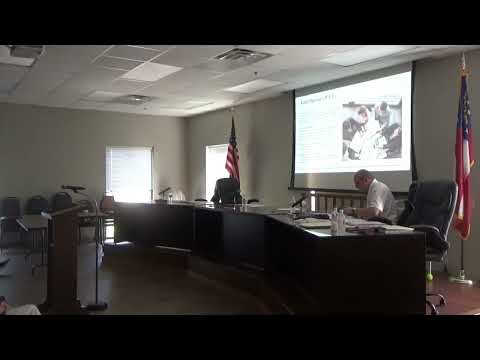
At its July 8 meeting, the Fannin County Board of Commissioners heard a presentation of the county’s fiscal year 2024 audited financial statements from Justin Burris of Rushton LLC, who said the firm issued an unmodified — or clean — opinion on the financial statements. Burris told commissioners the county’s unrestricted general fund balance rose to about $38.6 million at year-end, up from roughly $32.4 million the year before, and that the balance equated to approximately 15 months of typical operating expenditures.
Burris said the audit showed revenues increased by about $4.1 million year over year, driven largely by intergovernmental revenue including a USDA grant he identified as contributing roughly $2.1 million; higher interest income; an increase in local option sales tax of about $178,000; and a property tax increase of about $137,000. He said expenditures also rose by roughly $4.0 million — about 15.8% — largely because of one-time capital purchases and higher public-safety costs such as EMS and the sheriff’s office.
"Pleased to present that y'all have an unmodified opinion, also known as a clean opinion," Burris told the board. He added that the county’s fund balance growth placed it well above industry guidance: "we recommend 3 to 6 months of that fund balance is what we consider healthy," he said, noting Fannin’s position at about 15 months.
Burris reviewed other funds and disclosures in the audit. He reported the county’s lodging (excise) tax generated a little more than $7 million in FY24, of which about $3.4 million was spent on tourism and promotion and a little over $3 million was transferred to the general fund. He described SPLOST (Special Purpose Local Option Sales Tax) activity for the 2017 SPLOST — about $6.4 million spent on county projects — and said the 2023 SPLOST collection had begun and would include distributions to the City of Blue Ridge.
The audit included the federal single-audit procedures required when a government spends $750,000 or more in federal awards. Burris said auditors performed that testing and did not identify material weaknesses or significant deficiencies related to the county’s federal expenditures. He pointed commissioners to two letters in the audit package: an audit-committee (management) letter describing accounting policies and estimates, and a management-points letter with suggestions for improvements in internal control and operations. Among common recommendations he identified was segregation of duties, noting that in smaller governments a single person often performs multiple tasks and that presents a control risk.
Burris also said the auditors implemented recent Governmental Accounting Standards Board (GASB) guidance during the audit (he cited GASB 100 and GASB 101 as examples) and flagged additional upcoming GASB pronouncements for the board to expect. He told commissioners the full audited financial statements and the management letter are in the audit “blue book” provided to the board and that staff and commissioners may contact the audit team with follow-up questions.
Commissioners thanked the audit presenter at the meeting and members of the public who spoke during the public-comment period praised the county’s fiscal stewardship.
The board did not take a formal recorded vote to accept the audit at that meeting; the presentation served as the auditor’s delivery of the FY2024 financial statements and related letters to the board.