
Council adopts ordinance expanding local consent options for alcohol licenses, including limited-service restaurants and on-premise banquet licenses
Get AI-powered insights, summaries, and transcripts
Sign Up Free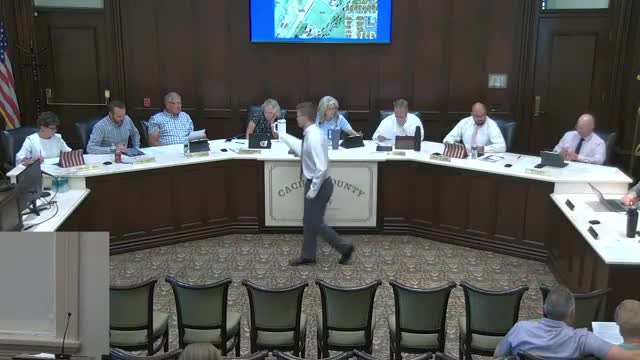
Summary
The council approved an amendment to local-consent rules (Ordinance 2025-22) to add limited-service restaurant and on-premise banquet license types to the county’s local consent options. The measure passed after discussion; one councilor voted no during voice roll-call. The ordinance allows applicants in unincorporated Cache County to pursue the
The Cache County Council on Tuesday adopted Ordinance 2025-22, which amends the county’s local consent options for alcohol licensing to include two additional state license categories: limited-service restaurant licenses (including a master and seasonal subtype) and on-premise banquet licenses.
County staff explained the change aligns local code with state licensing options and provides a process for establishments such as ski-area restaurants, hotels and convention centers to request local consent before applying at the state level. The limited-service restaurant license permits sale and on-site consumption of beer and wine where at least 70 percent of gross revenue comes from food; the on-premise banquet license is tailored for settings such as hotels, resort facilities and performing arts centers and typically requires a guest list or event-based control measures.
The amendment was prompted in part by a request from Beaver Mountain (a ski resort) and was reviewed by the county's operations and planning (O and P) committee. Counsel and staff noted that local consent is one step of the state licensing process; state agencies retain regulatory authority over license issuance and enforcement. Council discussion included questions about renewal, enforcement and whether neighboring counties have similar options; one councilor said he preferred more time to review and voted no on final passage. The ordinance passed by voice vote.
Council staff said sales tax and sales at newly licensed establishments would remain governed by state sales-tax rules and that local consent does not itself change taxation.