Get Full Government Meeting Transcripts, Videos, & Alerts Forever!
Get email alerts on the Home Repair Grant Energy topic
No spam. Unsubscribe anytime.
City agrees to back Dayton Energy Collaborative program; AES grant to fund home‑repair network work
Summary
The commission approved city manager recommendations enabling local partners to deploy AES disadvantaged-community grant funds to the Dayton Home Repair Network; the Dayton Energy Collaborative will receive city-administered funding to expand resident support and gap repairs.
The Dayton City Commission on July 23 approved city‑manager recommendations to implement a federal‑partnered disadvantaged communities grant that will fund the Dayton Home Repair Network and expand the Dayton Energy Collaborative’s resident services.
City staff and Dayton Energy Collaborative officials described a multi‑year grant program funded through AES that will support low‑income homeowners and residents by coordinating home‑repair and weatherization services, adding staff capacity for resident outreach and providing gap‑repair funds that enable weatherization work to proceed.
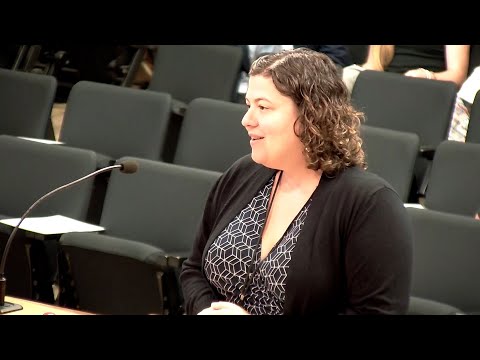
Leila Klein, Bloomberg Innovation Team director in the city’s sustainability office, told commissioners the city obtained a $7.8 million disadvantaged‑communities grant through AES. The City’s role includes providing backbone support to the Dayton Energy Collaborative. Klein said the amount to Dayton Energy Collaborative from the grant totals about $1,680,000 over three years, with year‑one funding of about $345,000. The grant will double Dayton Energy Collaborative staff who help residents complete a single “universal” application and coordinate partner services from organizations such as Habitat for Humanity, Rebuilding Together Dayton and Miami Valley Community Action Partnership.
Klein described the grant’s use of “gap funding” to address health‑and‑safety barriers — for example pest control or hoarder cleanouts — that can block weatherization projects. She said the grant will also fund a pilot to better serve tenants (many repair programs focus on owner‑occupied homes) and a contractor database intended to help smaller and minority‑owned contracting firms compete for repair work.
Commissioners asked how the initiative aligns with the city’s housing committee work and how departments coordinate program delivery; Klein and staff said the sustainability office is working with the planning, neighborhood and development department and other partners and offered to provide further information to commissioners. Commissioner Fairchild and Commissioner Shaw praised the collaboration and the grant’s potential to make energy‑efficiency and home‑repair dollars more accessible to disadvantaged residents. The city manager’s recommendations — which included a $75,000 CDBG‑funded grant agreement with WestCare Ohio Inc. for East End Youth Development and other calendar items — were approved by voice vote after the presentation.
What the grant will do: Klein said the AES award will pay Dayton Energy Collaborative to convene partners, expand application navigation services for residents, fund gap repairs that unlock weatherization work, pilot tenant‑targeted services and support contractor capacity building for underrepresented firms.
Next steps: City staff will move forward with the grant administration and distribute funds to network partners through the regular CDBG and program delivery processes. City leaders said staff will report back with implementation details and coordination plans for the housing committee and other stakeholders.