Lifetime Citizen Portal Access — AI Briefings, Alerts & Unlimited Follows
Massachusetts parents, advocates press lawmakers to require ‘Miranda’‑style rights during DCF investigations
Loading...
Summary
Senate Bill S.114, the "Family Protection and Transparency Act," would require the Department of Children and Families (DCF) to provide parents and caregivers a written and verbal summary of their rights, including the right to remain silent and the right to legal counsel, at the start of an investigation.
Senate Bill S.114, the "Family Protection and Transparency Act," would require the Department of Children and Families (DCF) to provide parents and caregivers a written and verbal summary of their rights, including the right to remain silent and the right to legal counsel, at the start of an investigation. Supporters and affected parents told the Joint Committee on Children, Families, and Persons with Disabilities that the change is a basic due‑process safeguard.
Why it matters: Witnesses said many parents do not understand the scope of DCF investigatory powers, do not receive clear notice of allegations, and fear retaliation if they assert rights. Attorneys and advocacy groups said clearer rules and recorded interactions would promote accountability and more honest cooperation during investigations.
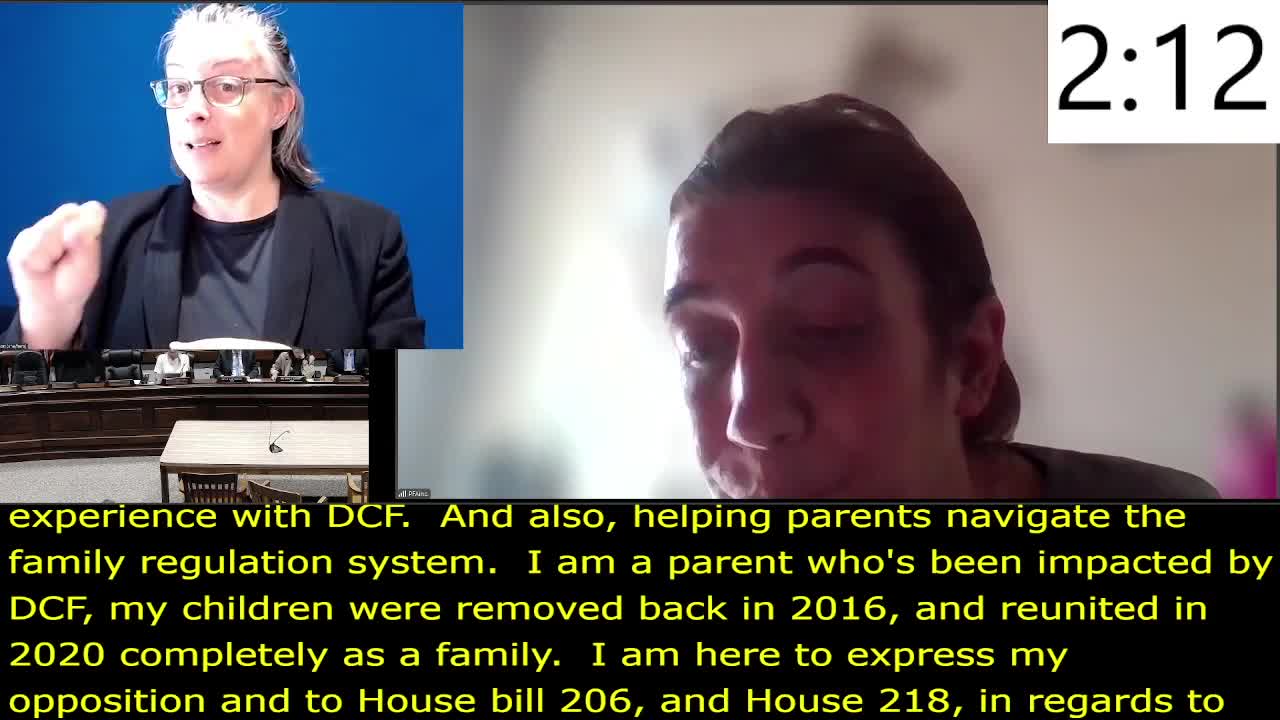
Multiple parents and attorneys gave first‑hand accounts of distressing encounters with caseworkers. Tatiana Rodriguez, founder and director of Family Matters First, said the experience of DCF investigations is “dehumanizing, traumatizing, and terrifying,” and argued that requiring rights to be read in a family’s own language would “fundamentally change the power dynamic.”
Attorney Jacob Chen told the committee, “This bill is simple. It stands for something so basic. Families deserve to know their rights when DCF is investigating them, and DCF should be required to tell parents their rights.” He said the bill would not limit DCF’s emergency powers but would make routine practice fairer; witnesses cited other states that have enacted similar laws.
Richard Wexler of the National Coalition for Child Protection Reform framed the change bluntly: “If you don't know your rights, you don't have your rights. Period. Full stop.” He and several witnesses argued that families in high‑poverty communities are less likely to know their rights than families with means, creating a two‑tiered system.
Advocates recommended several implementation details to accompany the bill, including: providing materials in multiple languages, recording investigatory interviews (with parental consent where required by law), and expanding access to pre‑petition legal representation so attorneys can intervene before cases escalate. Rebecca Greening of Harvard Law’s Family Justice Clinic said current DCF entry letters are “woefully inadequate” and that the bill would require DCF to provide allegations in writing rather than leaving families to pursue records later.
Parents described long‑term consequences when they did not understand procedures. One parent, Ayawa Delphi Masanji, described losing a child after hospital interactions and DCF action and said, “This bill is not about stopping DCF from protecting children; it's about protecting families from confusion, fear [and] irreversible harm.”
No formal action on S.114 was taken at the hearing; the committee collected testimony and indicated it would consider the bill in the legislative process. Supporters urged a favorable report.
What to watch next: Committee staff will compile written testimony and may draft amendments addressing language access, recording protocols, and linkage to existing pre‑petition legal assistance pilots. If reported favorably, the bill would move to committee markup where lawmakers could add implementation details.
Ending note: Advocates said S.114 would not prevent DCF from acting in emergencies but would ensure that, in many routine investigations, families understand their constitutional protections and the allegations they face.