Get Full Government Meeting Transcripts, Videos, & Alerts Forever!
Get email alerts on the Paid Family Medical Leave topic
No spam. Unsubscribe anytime.
Lawmakers Hear Calls to Extend Paid Family and Medical Leave to Educators and Other Public Employees
Summary
Teachers, school staff and union leaders urged the Joint Committee on Labor and Workforce Development to expand Massachusetts’ paid family and medical leave program to include public employees, citing unequal coverage, financial hardship from unpaid leave, and potential uses of Fair Share funds to cover employer costs.
Teachers, school staff and labor leaders urged the Joint Committee on Labor and Workforce Development on the unequal application of Massachusetts’ paid family and medical leave program and asked the committee to extend eligibility to educators and other public employees. Testimony came from teachers, union officials and several legislators who said the current exclusion creates financial and career penalties, especially for early‑career educators and those with medical needs.
Committee members heard that Massachusetts’ PFML program, enacted in 2018 and active since 2021, provides weeks of paid, job‑protected leave for many private‑sector and state employees, but that local municipal and many public school employees are largely excluded because municipalities have not been required to participate. The Massachusetts Teachers Association and local union representatives said the result is inconsistent access: some districts have negotiated paid leave while many do not, leaving educators to “save up” sick days or take unpaid leave.
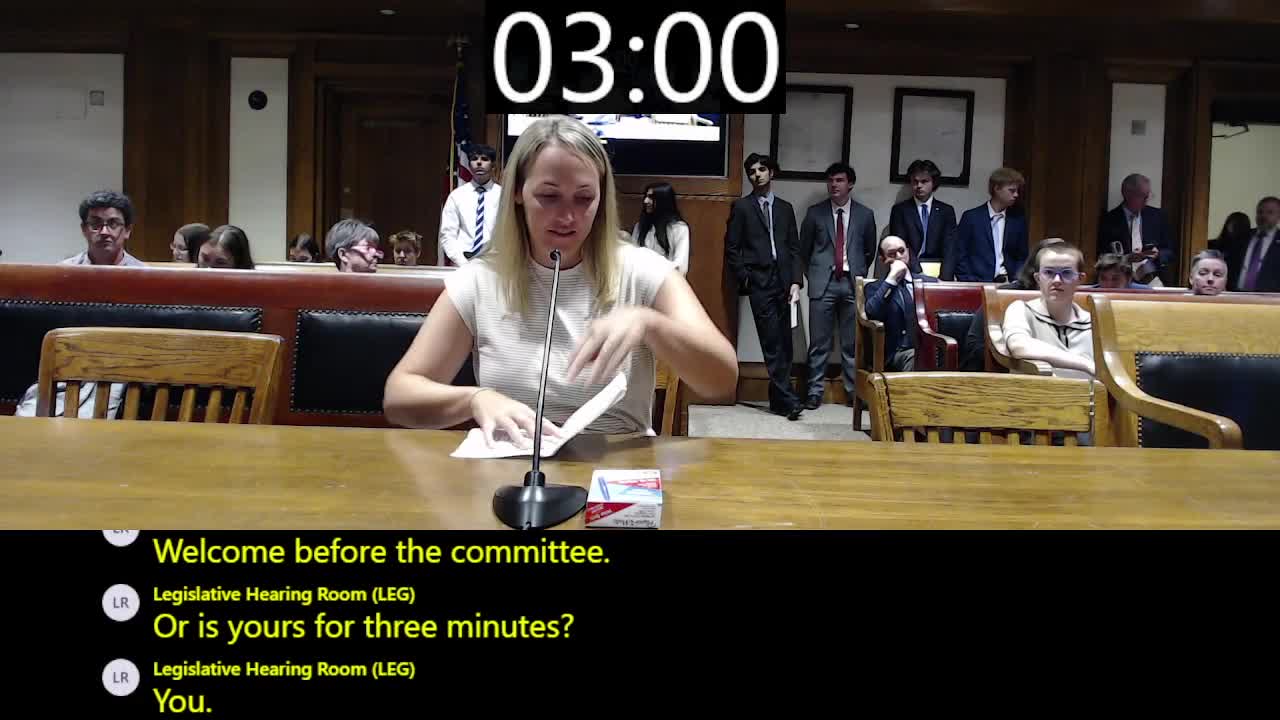
Those testifying described real examples. Kelly Powers, a Duxbury public school teacher, said her family’s experience with multiple premature births and a neonatal intensive‑care stay was made far harder by contract rules that limited her husband’s sick‑day parental leave and left the family unable to afford extended unpaid time. “The Massachusetts paid family medical leave program could have made all the difference for our family,” she said. Eileen Roddy, a former teacher and union leader from Scituate, explained how unpaid parenting leave can reduce long‑term pensionable income and seniority and disproportionately affect women teachers’ career trajectories.
Union leaders and municipal advocates framed the issue as one of equity and workforce stability. Max Page, president of the Massachusetts Teachers Association, said more than 100,000 public school educators remain excluded, a gap he described as “a stain” on an otherwise strong state program. State Senator Joe Comerford and Representative Natalie Blay described a constituent case that prompted them to file a resolve to create a commission to study extending PFML to public employees, including the socioeconomic and fiscal impacts and practical funding solutions.
Speakers suggested funding paths. Several witnesses and legislators pointed to the Fair Share (earmarked revenue) funds as a possible source to cover employer shares of PFML for municipalities and school districts. Max Page told the committee that roughly $3 billion in Fair Share revenue has been raised and that a relatively small portion could be used to support municipal participation, though he said the MTA would provide more precise cost estimates to the committee.
Multiple educators explained how the current system discourages family formation and forces staff to choose between job security and family care. Amanda Montero, an Acton‑Boxborough teacher, described infertility treatment, miscarriage and costly fertility care alongside the need to preserve sick time so she would have paid parental leave — a constraint she said delayed family planning. Several speakers noted disparities across districts: some school systems offer negotiated paid leave while many newer hires or staff in small districts begin with little or no accrued sick time.
Legislators on the panel asked about scope and cost. Representative Natalie Blay and Senator Comerford asked for a commission to quantify the costs and design equitable implementation; Senator Pat Jalen and others pressed witnesses on whether Fair Share revenues could be sized and targeted to municipalities and educational collaboratives. Senator Jalen emphasized the public‑policy rationale, saying PFML reduces illness‑related workplace attendance and supports public health.
Testimony also included municipal and higher‑education perspectives. Senator Comerford and other speakers noted that because the PFML statute requires some employer contribution, many local employers have not opted in for budgetary reasons. A number of witnesses urged phased or funded approaches to avoid unfunded mandates on municipalities.
The panel heard no committee vote at the hearing; several witnesses asked the committee to report bills favorably, and sponsors asked for a commission to study implementation. Committee staff accepted written testimony through the stated post‑hearing deadline.
Looking ahead, sponsors and union leaders said next steps should include cost estimates for extending PFML to all public employees, negotiations over use of Fair Share funds, and possible phased implementation that prevents abrupt unfunded local liabilities.