Get Full Government Meeting Transcripts, Videos, & Alerts Forever!
Get email alerts on the Student Transportation topic
No spam. Unsubscribe anytime.
Committee Hears Support for Bill Letting Districts Use Small Vehicles for Individualized Student Transport
Summary
Supporters told the Joint Committee on Transportation that House Bill 3772 would modernize transport for students protected by McKinney-Vento, in foster care, or with disabilities by allowing vetted drivers to use small-capacity vehicles with updated safety equipment.
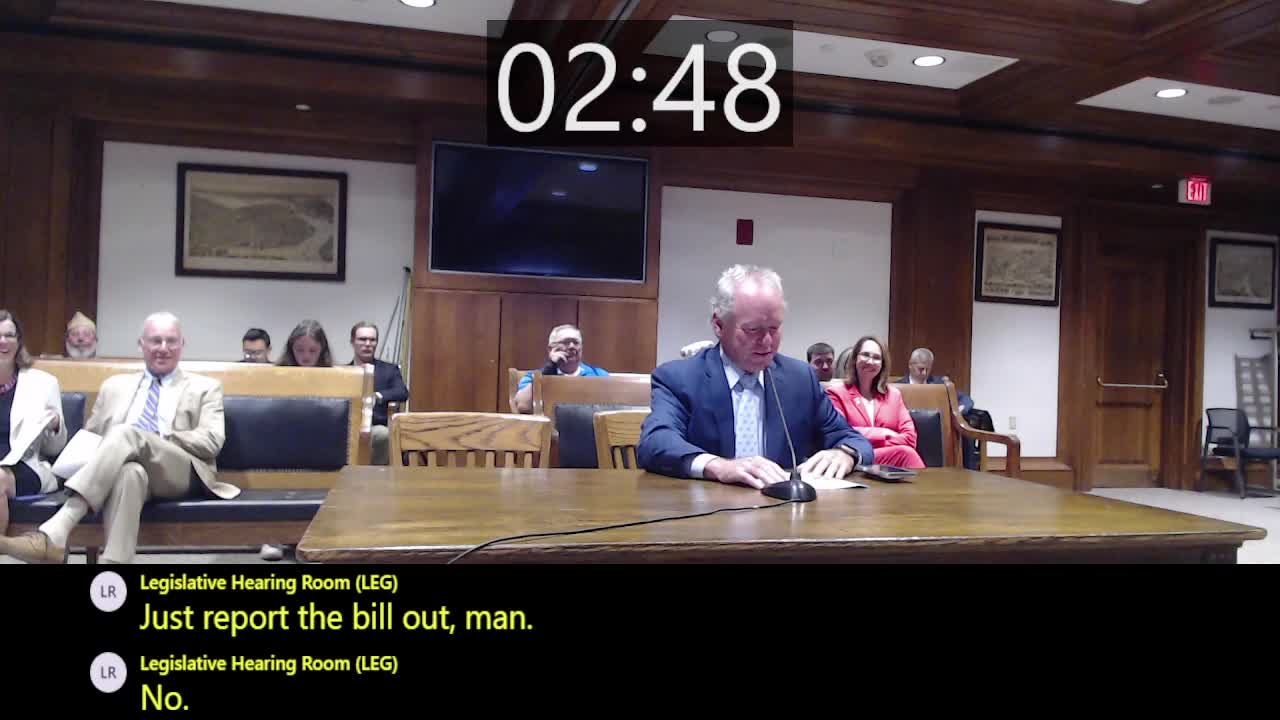
House Leader Jeff Roy and industry witnesses urged the Joint Committee on Transportation on Wednesday to report House Bill 3772 favorably, saying it would let school districts use small-capacity vehicles to transport certain vulnerable students more efficiently while maintaining safety standards. Leader Jeff Roy said the bill targets “our most vulnerable students, those protected under the McKinney-Vento Act, students in foster care, and children with disabilities.”
The measure would update longstanding state statute that, supporters said, still assumes only traditional yellow school buses. “H 37 72 updates outdated laws that currently require things like bolted signage, flashing school bus lights and special license plates on vehicles that seat fewer than 8 passengers,” Leader Roy said. He added the bill requires modern safety features on approved vehicles, including backup cameras, child reminder systems, daily pre-trip inspections, a seat belt for every rider, fire extinguishers and first-aid kits.
A spokesperson for EverDriven Technologies, Morgan Judge, told the panel the company transports students in 36 states and supports H 37 72 because it would allow noncommercial small vehicles to be used where appropriate for students whose individualized plans or living situations require transport across district lines. “This bill fills a gap for students needing individualized service while preserving and modernizing those safety standards for alternative transportation in the state,” Judge said.
Supporters said the bill preserves safety while giving districts flexibility to send a single vetted vehicle for one student rather than deploying a 60-passenger bus for long cross-district trips. Leader Roy framed the proposal as a cost- and service-oriented change: “It’s about flexibility, equity and efficiency. It gives school districts more tools to transport students safely using personal small capacity vehicles operated by responsible vetted drivers while maintaining strong safety standards.”
Committee members asked clarifying questions but did not take action during the hearing. Proponents said they will file detailed written testimony and urged the committee to move the bill forward.
The bill was discussed during the committee’s transportation hearing; proponents repeatedly emphasized that it is intended only for targeted, individualized routes and does not remove current safety expectations for school bus service.