
Tourism leaders warn federal policy shifts and Brand USA cuts threaten international visitors, events and local economies
Get AI-powered insights, summaries, and transcripts
Subscribe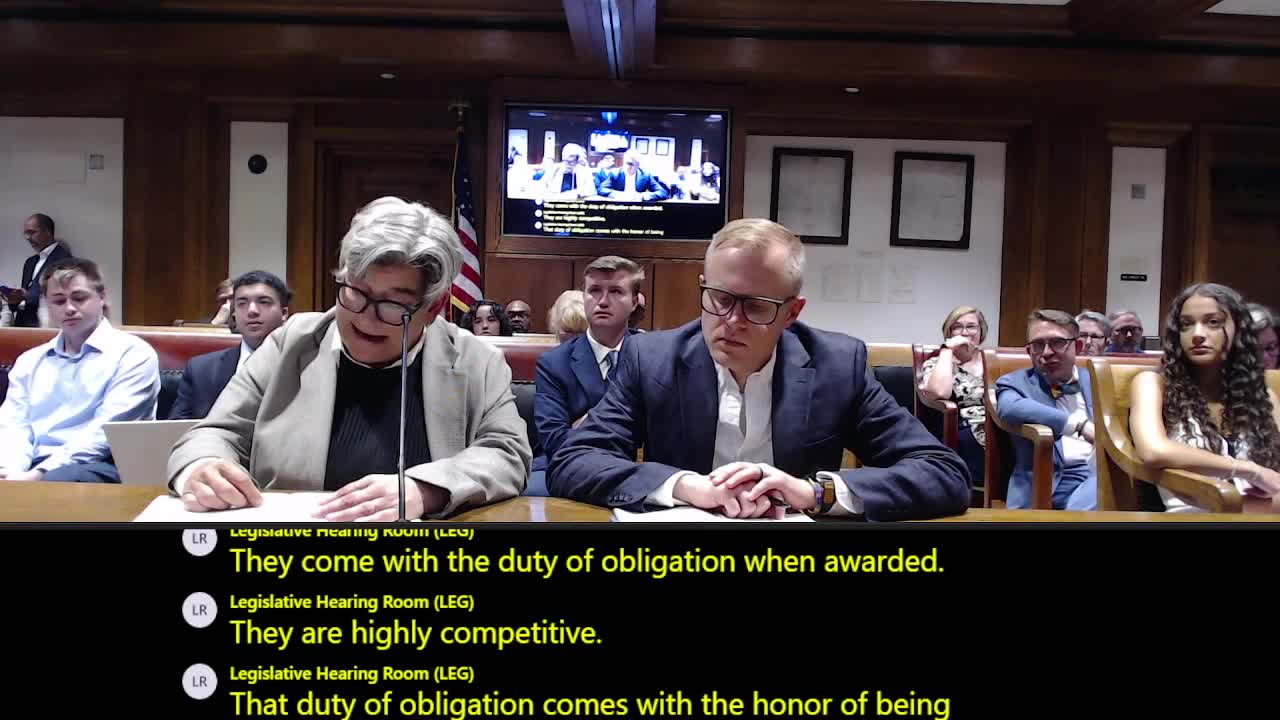
Summary
Tourism leaders told lawmakers that federal policy changes, proposed cuts to Brand USA and geopolitical uncertainty have already reduced cross-border travel from Canada and Europe and put major 2026 events and hospitality jobs at risk across Massachusetts.
Officials from Meet Boston, the Massachusetts Office of Travel and Tourism (MOTT), regional tourism councils and local hoteliers told a joint legislative hearing that federal policy shifts and cuts to national promotion programs are already depressing international visitation and creating uncertainty for 2026 events.
"International visitation to The United States is expected to fall 8.2% year over year in 2025," Martha Sheridan, president and CEO of Meet Boston, told the committee, adding that Brand USA's budget dropped from $100 million to $20 million and that Boston — which had forecast a 16% international increase in 2025 — could instead see a 10% reduction in international visitors. Sheridan said Canadian and Western European travel declines are the most immediate problems.
The Massachusetts Office of Travel and Tourism's deputy director, Charlie Takotsky, told lawmakers the Commonwealth hosts more than 50 million domestic visitors and more than 2 million international visitors a year and that a 20% drop in Canadian travel would be "really significant" — the Northeast land border crossings and air travel data already showed sharp declines.
Local tourism stakeholders described early economic signals: Meet Boston reported a 15% decline in convention sales leads driven by a fall in international business; regional councils and hotel operators in Western and Plymouth counties described fewer Canadian license plates in parking lots and reduced group contracts. Keisha Palmer of Pioneer Valley hotels and Lee Filson of Visit Plymouth both said visitation and spending metrics for restaurants, retail and attractions were down in recent months.
Why it matters: Tourism is a major revenue source for Massachusetts. Witnesses cited roughly $750 million in hotel tax revenue collected in 2024 and stressed that large events next year, including FIFA World Cup matches and Sail Boston, depend on stable international visitation. Several witnesses warned that lost federal marketing (Brand USA, Discover New England) and visa uncertainty could not be offset quickly by local marketing.
Officials urged the Legislature to use its convening power: tourism leaders asked for advocacy to federal partners, additional state marketing where feasible and faster data-sharing so regional tourism councils and local businesses can adjust planning.
Ending: Tourism leaders said they will continue coordinated international marketing but warned that recovery from lost market share will take years, not weeks, and urged legislative and executive support ahead of 2026 events.