
Lawmakers, advocates press for bigger MVP and new resilience loan fund to help small towns act on flood risks
Get AI-powered insights, summaries, and transcripts
Subscribe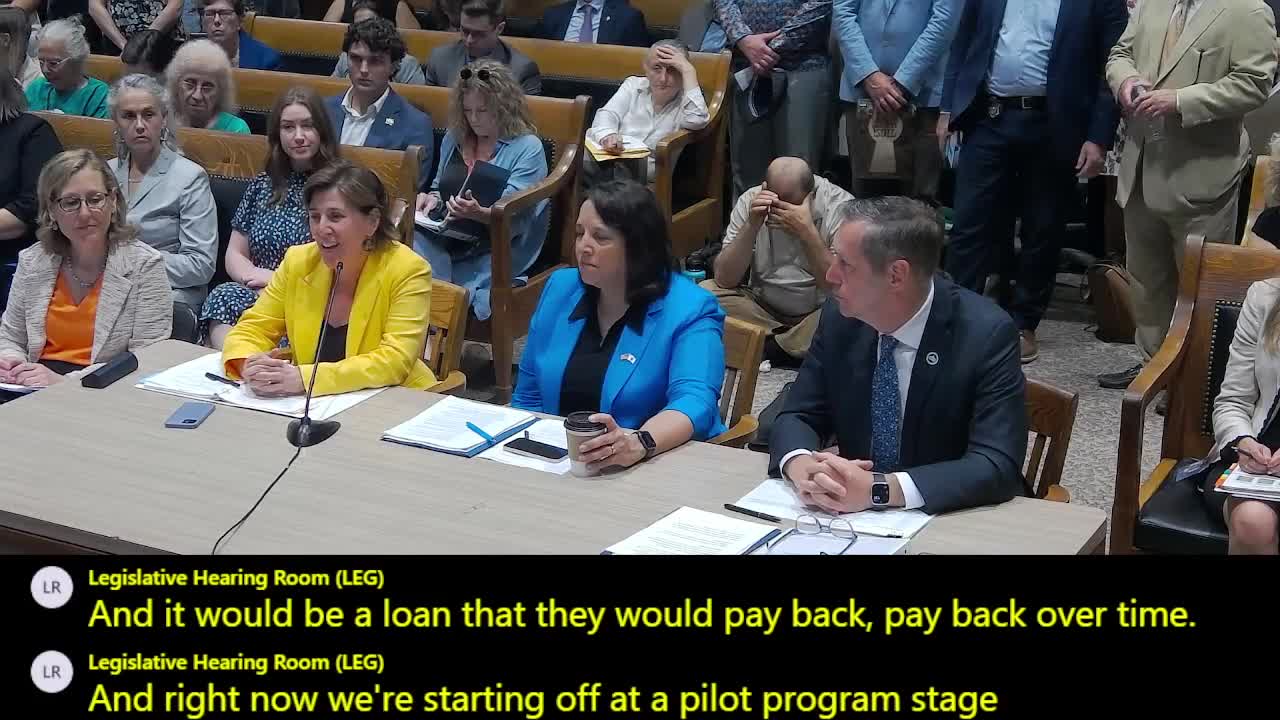
Summary
The administration proposed a pilot resiliency revolving loan fund and $315 million for the Municipal Vulnerability Preparedness program; municipal officials and regional planners urged larger, recurring funding and said loans and technical assistance are needed for small towns.
What happened: EEA witnesses told the committee the Mass Ready Act creates a resiliency revolving fund — modeled on the state revolving loan fund concept — to provide low‑cost loans to cities and towns for resilience projects such as culvert replacement, seawall repair, and nature‑based flood mitigation. Secretary Rebecca Tepper and other administration witnesses described the fund as a pilot to be managed by EEA with bond‑backing handled by the Clean Water Trust.
Why it matters: Multiple municipal officials and regional planning agencies said grant programs alone leave small towns behind. Linda Dunlavy (Franklin Regional Council of Governments) and Catherine Wharton (Becket town administrator) told the committee that small tax bases and infrequent capital capacity make low‑interest loans and technical assistance essential. Wharton described a watershed road project in Beckett estimated at $4.5 million and said bank rates (roughly 5% or higher) are not sustainable for small tax bases.
Funding and program design: Administration witnesses said the revolving fund will be designed to stretch scarce state dollars by blending loans with grants and prioritizing projects with high resilience benefit. Committee members and regional planning representatives asked for clear eligibility and scoring criteria, and several speakers urged carve‑outs or prioritization for small towns and environmental justice communities. The administration said EEA will develop the disbursement criteria and work with regional entities.
Debate and requests: Many municipal and regional witnesses urged a larger, dedicated and recurring funding level for the MVP program than the administration’s $315,000,000 authorization, proposing a target of $500,000,000 to meet demand and unlock federal funding. Speakers said MVP has been effective for planning and early design and that expanding eligibility to nonprofit applicants (as proposed) could help smaller communities by enabling trusted nonprofits to apply and manage projects on the towns’ behalf.
What’s next: Committee members indicated they will press for clearer loan terms, stronger small‑town access provisions, and possibly higher authorizations for MVP as the bill proceeds.