
Psychologists and patient advocates push for PSYPACT to preserve telehealth and continuity of care
Get AI-powered insights, summaries, and transcripts
Subscribe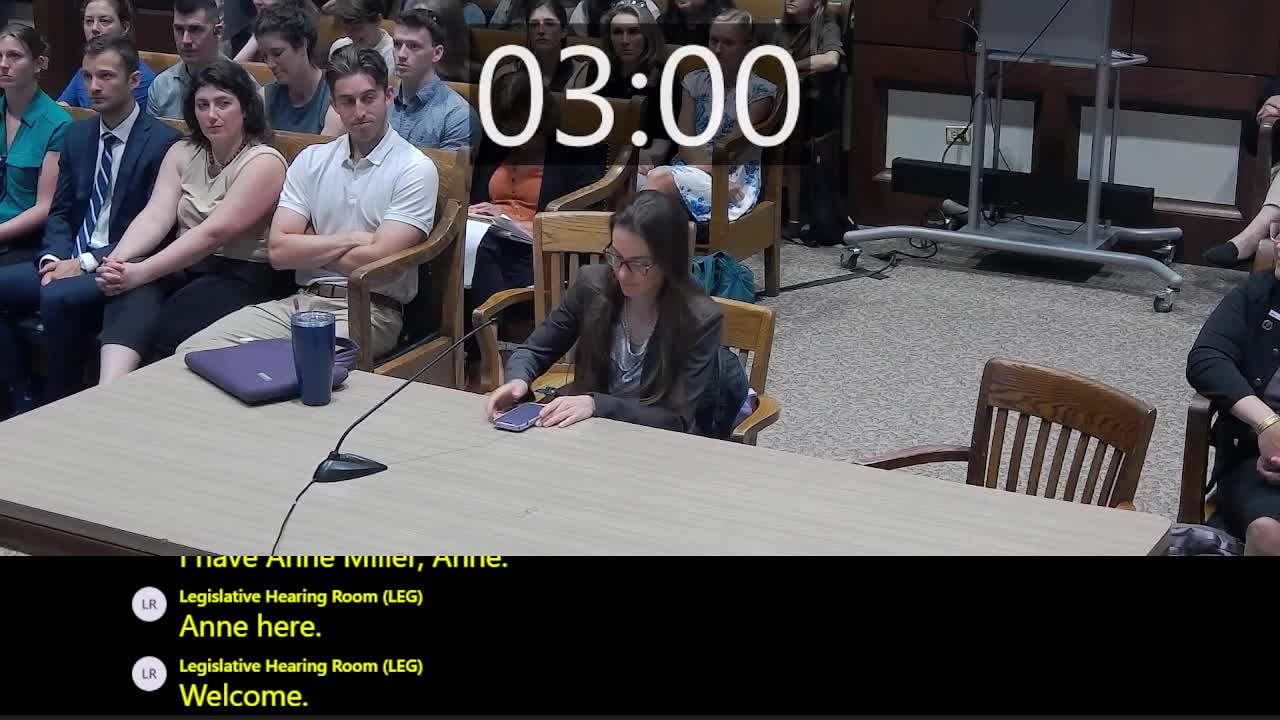
Summary
Psychologists, patient advocates and professional associations urged the Joint Committee on Public Health to enact S1487/H2528 to join PSYPACT, the interstate psychology compact that supporters said would expand telehealth access and preserve continuity of care for people who move or travel.
Psychologists, patients and professional associations urged the Joint Committee on Public Health to enact the psychology interstate compact—PSYPACT—through S1487 and H2528 so licensed Massachusetts psychologists could provide telehealth and maintain continuity of care across state lines.
Multiple licensed clinical psychologists and representatives of the Massachusetts Psychological Association described situations where patients or clinicians relocated and therapeutic relationships were abruptly interrupted because Massachusetts is not yet a PSYPACT member. Dr. Anne (first name used in testimony as Anne) said she drove to a neighboring PSYPACT state to take telehealth calls after moving to Boston, adding that “it was either that or lose my therapeutic support.” Dr. Amy Yermish, a licensed clinical psychologist, testified PSYPACT “raises the standards and makes things better for everywhere,” and described the time and cost barriers of seeking separate state licensure.
MPA representatives emphasized access gains: membership would give Massachusetts residents access to psychologists already credentialed in other PSYPACT states (witnesses cited roughly 14,000 additional psychologists) and help college students and people who move maintain continuity of care. Speakers described PSYPACT credentialing requirements—doctoral degree from an APA/CPA‑accredited program, an unrestricted license, a clean disciplinary record, passing the Examination for Professional Practice in Psychology, and continuing education—and noted member states may require a jurisprudence exam.
Why it matters: Supporters said PSYPACT reduces barriers to care, particularly for people who relocate, travel for school or work, or need specialized expertise that is locally scarce. Witnesses tied continuity to safety for higher‑risk patients and to reductions in administrative burden for psychologists and state boards.
Limits and status: The testimony was uniformly supportive; no formal vote occurred at the hearing. Opponents were not recorded in the hearing. Several clinicians described personal hardship and cited the model’s adoption in 43 states and territories; proponents emphasized the compact preserves state disciplinary authority and allows states to require state‑specific jurisprudence testing.