
Landlords, tenants and platforms spar over bills that would restrict broker fees and shorten rental timelines
Get AI-powered insights, summaries, and transcripts
Subscribe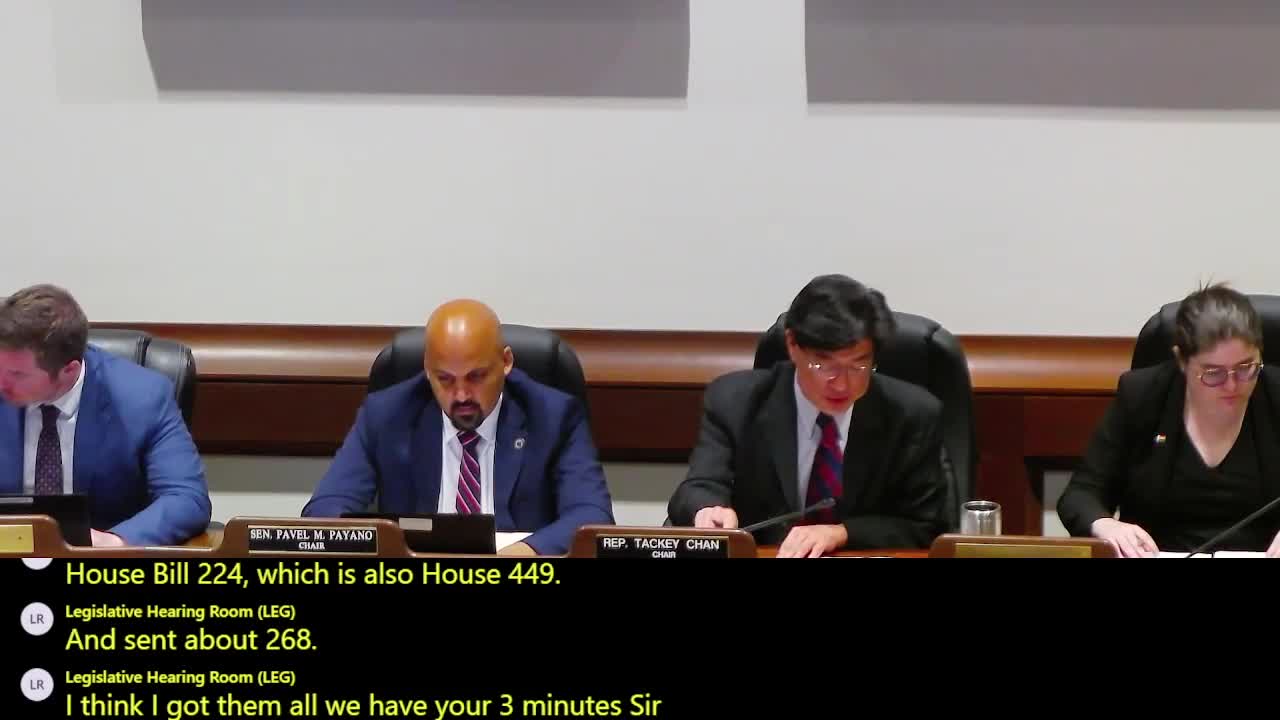
Summary
Landlords, local platforms and tenants offered conflicting views on bills that would restrict tenant-paid broker fees, change dual-agency rules and shorten the lease-signing window to 90 days, warning of unintended market disruptions for students and small landlords.
Lawmakers heard sharply contrasting testimony on a set of rental-market bills that would limit or ban tenant-paid broker fees, constrain when leases can be signed for upcoming academic-cycle move-ins and affect broker/landlord listing practices.
Opponents' testimony focused on the practical impact of a 90-day window for lease signing and on a broad prohibition they said could bar tenant-paid representation. Trevor Turner, owner of Turner Farms Real Estate, said a 90-day limit on signing or renewing leases would compress the peak September 1 rental season into a short period and drive bidding wars, group tours and a poorer experience for renters, particularly students and out-of-town renters. "A 90-day window leaves me June, July and August to rent out a unit for September 1," Turner said, arguing many renters and student tenants secure apartments before that window.
Small landlords and local platforms warned that broad language in several bills could unintentionally eliminate tenant-paid broker representation. Kristin Preston (testifying as an attorney and small landlord) said the draft language could treat any sharing of a listing between landlord and broker as evidence the broker was hired by the landlord, which could prevent tenants from voluntarily hiring brokers. "By putting an overall blanket ban on broker fees altogether, these laws effectively do ban and prevent tenant representation in all forms," she said.
Dimitris Alpagos, CEO of Boston Pads, and other industry witnesses said committee members had not sought input from the local rental business community and warned the bills could reduce licensed-agent jobs and harm the local housing-search ecosystem. Alpagos said local platforms expected a significant reduction in licensed agents and that many students and working professionals rely on brokers to find housing before arriving in the region.
Other witnesses described harmful side effects: PJ (a small Brighton landlord) said the bills would push tenants toward corporate landlords and reduce access to well-maintained privately owned units; Steven Rosen and others suggested some exemptions or additional detail are needed for students, exchange students and families.
Supporters of tenant-protection language (not extensively quoted at this hearing) have argued that limiting tenant-paid broker fees will reduce upfront moving costs for renters and protect vulnerable tenants from predatory broker practices. Committee members asked for clearer written language and for opponents and proponents to provide drafting suggestions and data; no vote or formal committee action occurred during the hearing.
Next steps: Multiple witnesses offered to submit written amendments and data; the committee indicated it would accept additional written testimony.