
Mass. lawmakers hear emotional testimony for ‘Marney’s Law’ to boost IBC awareness in nursing curricula
Get AI-powered insights, summaries, and transcripts
Subscribe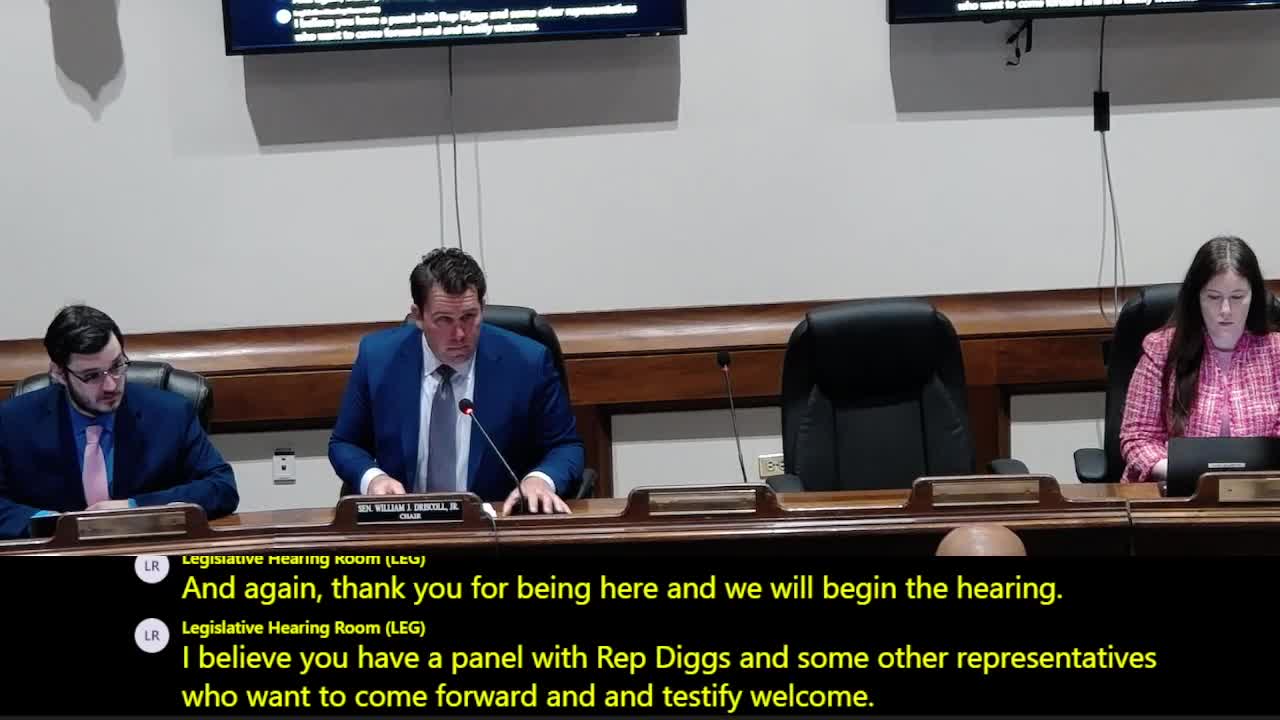
Summary
Supporters urged the Joint Committee on Public Health to advance H2489, which would require education about inflammatory breast cancer (IBC) in certain health curricula; presenters said the measure would raise awareness and could reduce late-stage diagnoses but offered no fiscal request for the Commonwealth.
State Representative Diggs and advocates asked the Joint Committee on Public Health to report favorably on H2489, known as “Marney’s Law,” a bill that would add education about inflammatory breast cancer, or IBC, to training for certain health professionals. The bill’s supporters said the change would be low-cost and could reduce missed or delayed IBC diagnoses.
The bill’s backers described the bill as preventive and nonbudgetary. Representative Diggs, who testified in support, said the measure “is about awareness and being preventive.” Josh Koopman, a member of Marnie’s Army, quoted an oncologist’s letter to the committee and said, “IBC presents as a metastatic incurable diagnosis 30 percent of the time. This is due in part to the chronic misdiagnosis and lack of awareness of IBC among primary care professionals.”
Why it matters: Witnesses connected late or missed IBC diagnoses to higher clinical costs and worse patient outcomes. In testimony the committee received a personal account in which a patient’s infection initially treated as mastitis progressed to stage 4 IBC, and the presenters supplied cost comparisons and a spreadsheet listing supporting clinicians and centers. Supporters said training—described as a short video and a small curricular addition—could enable clinicians to document “test to rule out IBC” and catch cases earlier.
Supporting detail: Testimony included claimed cost figures and an advocacy estimate: speakers said provider costs to sustain a patient for 24 months at an advanced stage exceeded $2,000,000 versus about $185,000 if treated earlier; the presentation argued that preventing hundreds of stage‑4 diagnoses could produce large provider cost savings over time. Proponents said Marnie’s Army would produce and offer a 15–25 minute educational video at no cost to the Commonwealth and that no state funds would be required for implementation.
Limits and status: Committee members did not vote during the hearing. The record contains personal narratives and estimates supplied by advocates; the committee did not verify the cost figures during testimony. No formal motion or legislative action was recorded at the hearing; the testimony was presented to inform the committee’s deliberations.
Lede sources and context: The testimony came during the public hearing for the Joint Committee on Public Health; advocates and legislators urged the committee to advance H2489 so that health‑professional curricula explicitly address IBC and reduce the risk of misdiagnosis.