Senate hearing presses implementation fixes for 18–20 driver apprenticeship pilot
Summary
Senators and industry witnesses debated how to implement the 18–20 apprenticeship pilot in the upcoming surface transportation bill, highlighting training standards, geographic limits and prior administration rules that reduced participation.
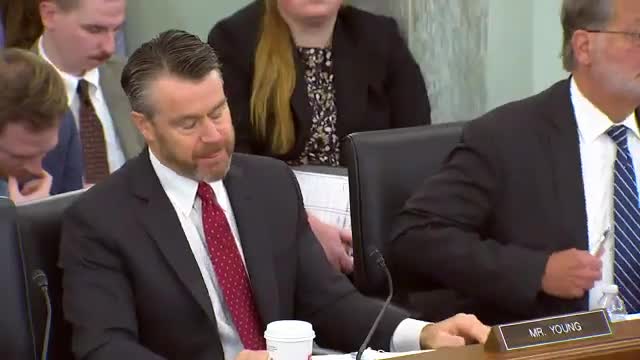
Chairman Todd Young and witnesses at a Senate subcommittee hearing pressed for clearer implementation of the 18–20 commercial driver pilot established by Congress, saying the program must include strong training and realistic operational limits to recruit and keep younger drivers in the industry.
The pilot — authorized in the recent legislation and described repeatedly at the hearing as a national pilot to train 18, 19 and 20 year olds for interstate commercial driving — includes 400 hours of required training, a supervising experienced driver in the cab and 14 performance metrics, witnesses said. Chris Spear, president and CEO of the American Trucking Associations, said the pilot “has 400 hours of training, of which you have to have a supervised driver, experienced driver in the cab with you. It has 14 metrics attached to it.”
Why it matters: supporters argue a properly run pilot expands workforce pathways and helps meet freight demand, while critics say gaps in real-world experience, geography and oversight risk safety and retention. Ranking Member Gary Peters and other senators pressed witnesses on whether the pilot’s current design addresses driving in mountain terrain, urban traffic and overnight conditions.
Industry witnesses and senators described implementation problems under the previous administration that discouraged participation. Spear and others said additional agency requirements went beyond congressional intent, citing inward-facing cameras and other conditions that reduced enrollment. “The reason that it got poor attendance is because the last administration put a whole number of requirements into the pilot that you didn't authorize, including inward facing cameras,” Spear testified.
Several witnesses and senators offered alternative approaches to limit early interstate exposure while retaining training gains. Louis Pugh, Executive Vice President of the Owner-Operator Independent Drivers Association, recommended an initial operating radius — an approach he likened to agricultural short‑haul rules — so new drivers “learn how to operate this equipment in areas that they know.”
Senators and witnesses also discussed performance oversight and the need for consistent national standards rather than 50 different state rules. Chairman Young emphasized interstate commerce and congressional intent to use the pilot to provide a pathway to safe, long‑term driving careers.
The hearing produced no legislative vote. Senators asked the Department of Transportation and Federal Motor Carrier Safety Administration (FMCSA) to refine rules and produce implementation guidance before the pilot’s broader rollout, and senators reserved additional questions for the record.