Get Full Government Meeting Transcripts, Videos, & Alerts Forever!
Get email alerts on the Zoning Districts Amendment topic
No spam. Unsubscribe anytime.
Commission tables discussion on multi‑tier agricultural districts and proposed C‑3 commercial zone for further review
Summary
Commissioners debated adding A‑2 and A‑3 agricultural districts and a new C‑3 commercial zone to provide intermediate options between rural agriculture and industrial zones; discussion was tabled for further review and stakeholder meetings.
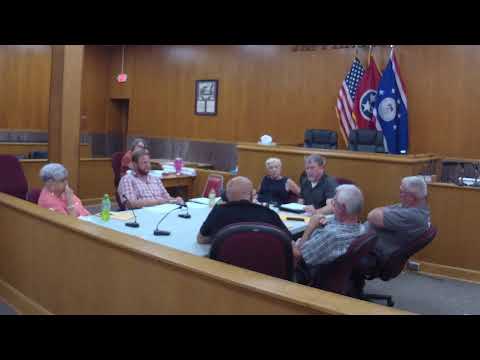
The Regional Planning Commission discussed creating additional agricultural districts (A‑2, A‑3) and advancing a proposed C‑3 zone intended to accommodate commercial uses that do not belong in industrial districts. After an extended presentation and discussion, the commission voted to table the item to allow members time to review materials and to pursue a workshop with interested stakeholders.
Planner Austin Brooks and staff presented examples from neighboring counties showing A‑1/A‑2/A‑3 frameworks and described how an A‑3 district can allow value‑added agricultural uses such as small slaughterhouses, sawmills, and certain agritourism activities under performance criteria. Mr. Brooks said the tools could protect low‑density residential character while enabling farm businesses to diversify income.
Why it matters: Commissioners said the county's current zoning map leaves a wide gap between A‑1 and I‑1 (industrial), which can force controversial rezoning requests into I‑1. A new C‑3 and refined agricultural tiers would give the county more tailored tools to manage growth and preserve agricultural viability.
Details: Commissioners discussed examples from Washington and Sullivan counties and considered minimum lot sizes, buffers, and conditional uses. Several members suggested a multi‑step public review: a workshop with the agricultural committee and county commissioners, draft language revisions, and then return to the planning commission. A motion to table Item C until the August meeting passed.
What follows: Staff will provide written examples and commissioners agreed to consider forming a working session that includes county commissioners and agricultural stakeholders before advancing ordinance language.