Get Full Government Meeting Transcripts, Videos, & Alerts Forever!
Get email alerts on the Fleet Management topic
No spam. Unsubscribe anytime.
Commissioners reassign motor-pool vehicles, direct surplus and clarifying policy on take-home use and stipends
Summary
The board directed that several motor-pool vehicles be assigned to departments, asked staff to prepare four vehicles for auction, and agreed to standardize certain car allowances while leaving some site-specific stipends in place.
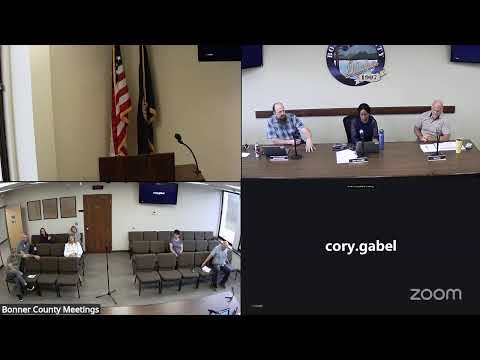
Bonner County commissioners reviewed motor-pool vehicle assignments and stipends during the same budget workshop, directing staff to assign several motor-pool vehicles to specific departments, prepare a small set of surplus vehicles for auction, and clarify a countywide policy on take-home cars and car-allowance stipends.
Melissa, a motor-pool staff member, told the board the fleet included nine motor-pool vehicles: five were effectively assigned long-term to departments (custodians, technology, solid waste, groomers and a facilities unit) while four were general-use pool vehicles. The board examined the use cases for each assigned vehicle — custodial runs outside the administrative building, technology travel to other county facilities, and solid-waste crew float vehicles — and debated take-home privileges and insurance/liability exposure tied to off-duty vehicle assignments.
Commissioners expressed concern about inconsistent practices countywide: some employees take vehicles home and receive 24/7 county insurance and maintenance while others must use personal vehicles and file mileage reimbursement. Commissioners asked departments to justify take-home assignments by demonstrating a frequent, documented need to respond from home or to travel continuously between multiple county sites during a workday. The board also emphasized that county vehicles carried added risk and cost when used off-duty and instructed HR and risk staff to develop clearer rules and accountability steps (for example: vehicle check-in/out procedures, restrictions on personal use, and maintenance frequency).
On stipends and car allowances, the commissioners reviewed five existing allowances (monthly stipends paid to certain staff). The board agreed to retain stipends for two employees with high, demonstrable travel frequency (Jolene in the DMV satellite and Melissa in Solid Waste) but to discontinue three others effective Oct. 1 unless those departments can document routine travel; staff were instructed to route ad-hoc travel through mileage reimbursement if travel is occasional rather than regular. The board also directed that assigned vehicles carry a departmental maintenance and fuel budget once removed from motor pool, rather than being subsidized from the general motor-pool fund.
On surplus and auction: commissioners agreed in principle to surplus four general-use motor-pool vehicles and directed the auditor/clerk to coordinate a formal surplus/auction process. Staff were asked to gather options for third-party auction vendors and return a recommendation; one vendor proposal that handles photographing, listing and selling surplus county equipment was discussed as an option that charges buyers’ fees rather than requiring county upfront costs.
The board also asked staff to prepare a short, countywide motor-pool policy and operational checklist (vehicle assignment criteria, take-home rules, maintenance schedule, reporting and fuel accounting) so decisions are consistent and insurance exposure is controlled. Departments will be responsible for vehicle maintenance and fuel lines once vehicles are assigned to them.