Get Full Government Meeting Transcripts, Videos, & Alerts Forever!
Get email alerts on the Nuisance Abatement topic
No spam. Unsubscribe anytime.
Committee outlines stepped approach to nuisance-property cleanup, schedules closed session on litigation strategy
Summary
After a lengthy discussion about recurring nuisance properties and cleanup costs, the Finance Committee directed staff to pursue circuit-court remedies where necessary, requested a closed session to discuss litigation strategy, and noted cleanups can cost about $10,000 each and potentially strain the budget if repeated across multiple properties.
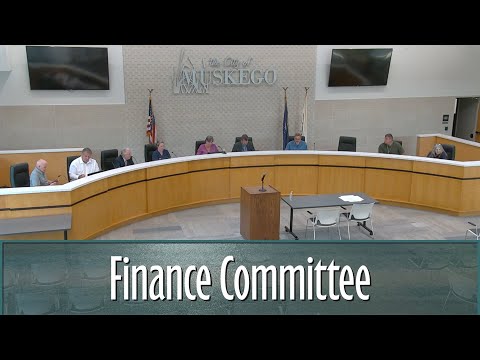
The Finance Committee spent the largest portion of its July 22 meeting discussing the city's nuisance-property abatement process, cleanup costs and enforcement options and directed staff to bring individual cases for closed-session discussion and potential circuit-court action.
A staff speaker who presented the item described the typical process: the city sends a notice to property owners telling them to correct violations (for example, remove junk or cut grass), and about “90% of the people that letter takes care of” the problem. For the more frequent noncompliant owners, staff said the city pursued a circuit-court nuisance warrant that authorizes the city to contract for physical cleanup. “The cost for this company is around $10,000,” the presenter said, and the city bills the property owner; unpaid invoices are added to the owner's tax bill in November as a municipal judgment or lien.
The presenter warned repeated cleanups could create a substantial, unbudgeted expense. “This could easily become a $100,000 a year line item that we don't have funding for,” the presenter said, noting repeated cleanups could equate to a full position in the police department. Staff also noted separate towing charges have applied in recent cleanups.
Several committee members and legal staff discussed timing, due process and limits on municipal authority. Jeff, the city prosecutor, explained that the municipal judge can issue fines but that an order to enter private property for cleanup typically requires a circuit-court order; that circuit-court process can take years in practice. One member said a prior cleanup took six years to move through the process, and staff said they do not intend to wait that long for future cases.
Committee members expressed concern about neighbors’ long-term exposure to blighted properties and the effect on property values. One member proposed discussing case-by-case strategy in closed session to avoid publicly sharing enforcement tactics. Legal staff and at least one elected official agreed that closed session was appropriate for litigation strategy and to avoid revealing operational details that might allow property owners to delay or frustrate enforcement.
The committee agreed to schedule a closed session at the next meeting to review individual nuisance cases and litigation strategy and indicated staff will pursue circuit-court remedies where warranted after the first failed cleanup. Staff provided a specific near-term date for owners to comply with cleanup for one active case, saying items remaining after the date will be deemed abandoned and subject to removal.