Get Full Government Meeting Transcripts, Videos, & Alerts Forever!
Get email alerts on the Public Health Communication And Funding topic
No spam. Unsubscribe anytime.
Norwalk health director urges broader outreach as federal preparedness funding faces cuts
Summary
Director Diana D'Amour summarized takeaways from NACCHO's annual meeting and led a board discussion about increasing public outreach, town halls and partnerships; she warned federal preparedness funding and a preventive health block grant are not recommended in the president's proposed budget and noted local contract and staffing updates.
Diana D'Amour, director of health for the City of Norwalk, told the Board of Health on July 22 that lessons from a recent National Association of County and City Health Officials (NACCHO) conference point to the need to make local public health more visible and to step up outreach.
D'Amour summarized NACCHO—s role and messaging and told the board that “we need to be doing more to make, you know, public health visible.” She said NACCHO convenes leaders from the nation—s roughly 3,000 local health departments to share evidence‑based strategies on workforce development, infectious disease prevention, communication and other public‑health topics.
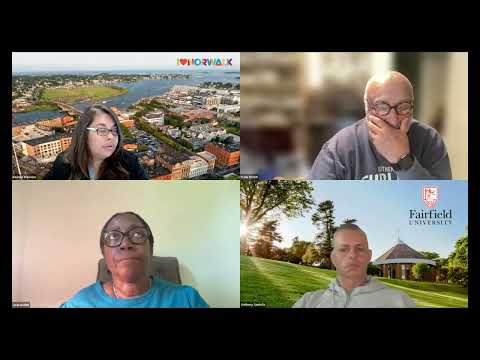
Board members responded with ideas for outreach and education. Anthony Centella suggested leveraging existing community newsletters and cross‑agency venues so the health department does not carry additional burdens. Joan McNeil and Janet Karpiak recommended town halls and attending school and community events to reach residents; Norman Weinberger suggested in‑school presentations for faculty and students. Frank Ehrlich argued the effort should be broad: “We need to make the public totally aware on a daily basis, not on an epidemic basis.”
D'Amour also warned the board about federal funding risks. She said the president—s proposed budget did not recommend continuation of some public health preparedness funding and the preventive diseases and health block grant. D'Amour said Norwalk currently receives about $54,000 annually from the block grant and about $50,000 for the public health preparedness grant, money that supports part‑time preparedness staff and supplies. She told the board that those federal allocations are used locally to maintain volunteer and preparedness infrastructure that supported Norwalk—s COVID response.
On specific program updates, D'Amour said the city is working to finalize an immunization action plan contract with the state and that a current part‑time environmental health staff member will transition into a full‑time health inspector role; the new inspector is completing training. She also said the department will bring trainers to provide quality improvement training for newer staff through its QI work group.
D'Amour asked whether board members would be willing to participate in outreach events; several members said yes. She said she will track opportunities and keep the board informed about outreach and advocacy possibilities, including potential conversations with legislators.
There were no formal votes recorded on outreach plans or funding advocacy at the meeting; the discussion produced directions to explore outreach venues and to monitor federal funding developments.