Get Full Government Meeting Transcripts, Videos, & Alerts Forever!
Get email alerts on the Climate Survey topic
No spam. Unsubscribe anytime.
District presents student, staff climate survey results; administrators to set building goals
Summary
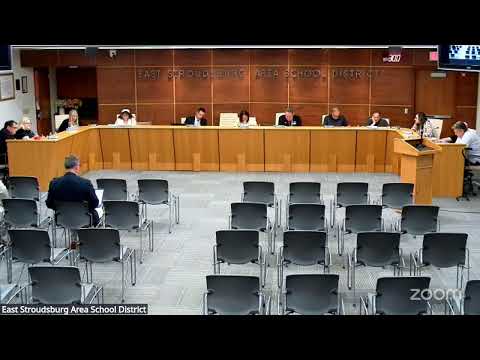
District leaders presented the results of a climate survey for students, faculty and staff at the July 21 board meeting and set a requirement that every building and department adopt one climate improvement goal tied to the findings.
District leadership presented results of a climate survey at the July 21 board meeting and outlined next steps for turning the survey findings into school-level goals.
The superintendent (name not specified in the public transcript) said the district had surveyed caregivers earlier and was now reporting student and faculty/staff results. The district achieved a roughly 57 percent student response rate overall for grades three and above; kindergarten through second grade were not included in the student rollout. “We have collected this data to inform our decisions,” the presenter said, and asked board members and building leaders to treat the results as a starting point for conversations with students and staff rather than jumping directly to solutions.
Key findings presented to the board included: - Student response rate: about 57–60 percent for grades 3–12. - More than 8 out of 10 students reported having at least one trusted adult. - Elementary students scored higher on measures of comfort and belonging than middle/intermediate grades, where results declined; the presenter noted this pattern may be developmental and warrants follow-up. - Safety perceptions and concerns about bathroom misuse and vandalism showed up in the facilities section; the presenter said those concerns appeared more tied to student behavior than custodial cleanliness. - Among items about peer mistreatment, most high-school students reported they had not experienced mistreatment; body-image concerns were higher in the intermediate grades and were noted as a likely developmental trend.
For staff, response rates were strong (about 87 percent). Presentation highlights included higher professional‑staff scores than support‑staff scores, and concerns raised by support staff that they do not always feel included or valued. Professional development and opportunities to collaborate were identified as recurring needs; the presenter said department‑level professional learning will be an area of focus.
The superintendent described a concrete plan: each school and central office department will choose one climate goal tied to the survey, report that goal to the board in September–October, provide a midyear update in January–February, and present end‑of‑year results next summer. The district also plans to re-run the survey in the spring to measure change.
Board members asked clarifying questions about definitions (for example, whether “community” referred to the school community or the broader public) and about improving response rates at specific buildings; the superintendent said responses should rise as staff and families see the district use the data and as the district clarifies timing and expectations for when students will be asked to take the survey.
No formal board vote was required; the presentation concluded with the board directing administrators to incorporate the survey findings into building- and department-level planning and to return with progress reports.