Get Full Government Meeting Transcripts, Videos, & Alerts Forever!
Get email alerts on the Traffic Safety Signage topic
No spam. Unsubscribe anytime.
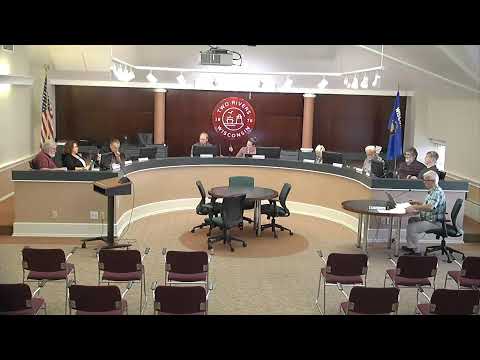
2 Rivers council adopts policy allowing 'special‑needs child' signs with doctor's note
Summary
The 2 Rivers City Council adopted a policy letting parents request roadside signs—blind child, deaf child, autistic child, or a special‑needs child area—after staff review; council added a required doctor's note and a wording change.
The 2 Rivers City Council on July 21 adopted a policy allowing limited roadside signs that warn motorists about children with disabilities or other special needs, with conditions including a physician confirmation and annual renewal. The council's vote followed a staff presentation and more than an hour of discussion about placement, effectiveness and sign proliferation.
Council members and staff said the signs are intended to supplement parental responsibility and to provide motorists an extra visual cue near residences where a minor with a disability may be present. City Engineer/Public Works Director Matt Heckenleibull presented the proposed policy and said four sign types would be available: blind child, deaf child, autistic child, and special‑needs child area. He said the policy excludes “children at play” signs to avoid encouraging street play.
The policy requires an applicant—typically a parent or guardian—to submit a signed application certifying the child's condition; the council added a requirement that documentation from a physician accompany the application. The policy limits eligibility to minors roughly aged 2 through 15 and requires an annual re‑request; if the applicant fails to reapply the sign will be removed. Staff will review site conditions before installation and may deny requests if no safe mounting location exists or if trees or other obstructions make placement unsafe.
Council members raised concerns about too many signs becoming “white noise,” the administrative burden of tracking relocations when families move, and whether the signs materially improve safety. Council member Jen said some children with autism are a flight risk and that exclusion of busier roads could leave high‑risk addresses without coverage. Others suggested requiring a medical provider's attestation; the council ultimately voted to add a doctor’s note requirement and to change the sign label in one template from “special‑needs children” to “special‑needs child” for consistency with other sign labels.
Donald (council member) moved to adopt the policy with the physician documentation requirement and the wording change; Shannon Derby seconded. The motion passed on roll call vote.
The adopted policy directs staff to process requests administratively and to place signs in the public right‑of‑way (the terrace) approximately 100–150 feet from the address when a safe location exists. The policy also notes the signs are intended to alert motorists but do not shift responsibility for a child's safety from a parent or guardian to the city.
Council members said staff will track installed signs and that the city will remove signs if the annual verification is not returned. Heckenleibull told council he reviewed policies from other municipalities and intentionally did not include a burdensome certification process beyond the physician documentation requirement.
The policy will be implemented by city engineering/public works staff; the council did not set a separate budget appropriation for sign installation beyond minor administrative costs.