Get Full Government Meeting Transcripts, Videos, & Alerts Forever!
Get email alerts on the Transportation Impact Fees topic
No spam. Unsubscribe anytime.
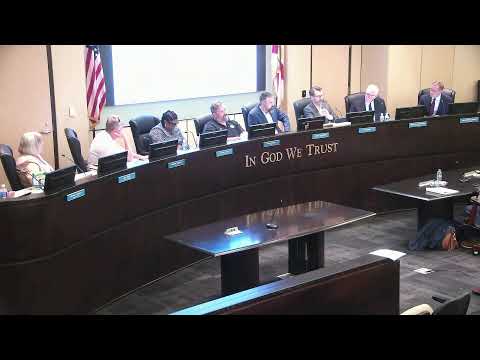
Panama City adopts transportation impact fee ordinance but delays collection after business concerns
Summary
The Panama City Commission voted 4-1 July 22 to adopt an ordinance creating a transportation impact fee program but directed staff not to collect fees for now, giving commissioners time to finish a mobility plan and review exemptions after public testimony and debate with developers and realtors.
The Panama City Commission on July 22 adopted an ordinance creating a transportation impact fee program but approved suspending fee collection while the city develops a mobility plan and considers exemptions. The final vote on ordinance No. 32-56 was 4-1.
The measure, which amends Chapter 113A of the Unified Land Development Code, replaces the prior proportionate fair share (concurrency) approach with a citywide impact fee that would be collected at building permit issuance. City Attorney Mike Burke and staff said the ordinance sets fees but allows the commission to delay collection by resolution while completing the mobility plan and publicly vetting exemptions.
Why it matters: Supporters said the fee creates a predictable way to fund road and multimodal improvements as growth occurs and avoids surprising developers late in the approval process. Opponents, including representatives of the Central Panhandle Association of Realtors and several commercial brokers, said current economic conditions make adding a new, potentially substantial up-front cost risky and urged more time to refine the structure and exemptions.
During public comment, Garrett Aune of the Central Panhandle Association of Realtors said his organization "officially oppose[d] the transportation impact fee as it currently stands" but asked for continued engagement. Commercial broker Jim Everett told commissioners the commercial and residential markets are fragile and urged postponement.
Commission debate centered on two competing goals: preserve the study the city has already paid for and avoid implementing a fee that would make housing and commercial projects less viable. Commissioner Granger moved to adopt the ordinance while suspending fee collection and requiring that any future implementation come back to the commission. The commission clarified that the ordinance, as drafted, would set the fees but would allow collection to be set to $0 until the commission acted; the motion directed staff to pursue a mobility plan, pursue exemptions, and return with public hearings before any collection.
The city attorney noted state law and established practice require a rational nexus between fees adopted and improvements funded and that fee adjustments would need public hearings and planning-board review. Staff and outside consultants (Kimley-Horn performed the fee study) told the commission the adopted fee schedule could be revisited and reduced (for example to 25% of the current numbers) through a public process before collection.
What the ordinance does and next steps: The ordinance formally creates the transportation impact fee program and adopts the impact fee study; by majority action the commission adopted it and at the same time accepted a suspension of collection so that the city can complete a mobility plan, vet exemptions and implementation zones, and conduct required planning-board and public hearings before any revenues are collected. The commission set an administrative process by which the commission could adopt a different collection percentage or area-by-area approach by resolution after public notice.
Outcome and vote: The motion to adopt the ordinance and suspend collection passed 4-1. Commissioner Hughes cast the only recorded “no” vote. The commission instructed staff to begin work on a mobility plan and to continue stakeholder outreach with builders, developers and community groups, and to bring back proposed collection percentages and geographic exemptions for further public hearings.
Remaining questions: Commissioners asked staff for clearer timelines for the mobility-plan work and for specific communications so builders and the public know how exemptions and phased collection would be handled. Staff said the planning-board and commission public hearing process for any future implementation would be required and publicly noticed.