Get Full Government Meeting Transcripts, Videos, & Alerts Forever!
Get email alerts on the Public Works Landfill topic
No spam. Unsubscribe anytime.
Vendors pitch compactor technology to extend Tucumcari landfill life and cut fuel costs
Summary
A vendor presentation proposed a two-drum landfill compactor the city could lease or buy, claiming it would double cell life, reduce fuel consumption and save operating costs; staff asked for the vendor’s revised lease/pricing and financial details.
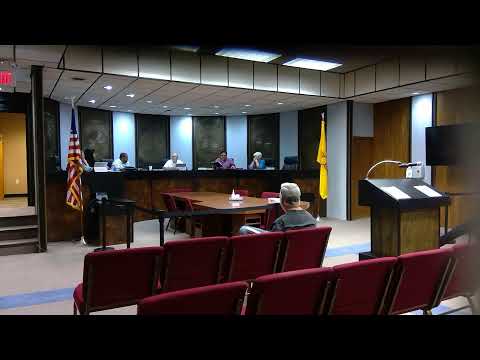
Representatives from 4 Rivers presented a landfill compactor and service model to the Tucumcari City Commission, saying the equipment could double cell life at the municipal landfill and reduce fuel costs.
Presenters said building a new landfill cell will cost the city an estimated $3 million to $6 million, and that the proposed compactor’s design could extend cell life (the vendor cited the current cell life at roughly 3.5 years under present conditions). The vendor asserted a new machine could improve compaction efficiency, create additional airspace and reduce compactor fuel use by about half, generating annual operational savings.
City staff and the vendor described equipment attributes: two wide drums with a tooth design that breaks and compacts material simultaneously, a hydrostatic drivetrain with fewer moving parts, parts containers consigned on site for rapid repairs, and a North American parts and support footprint with a Lubbock, Texas, service hub. The vendor said customers in Europe and North America have seen higher uptime and fuel savings with the model presented.
Public-works staff described current landfill operations and capacity pressures, noting the city’s existing compactor is smaller and that daily incoming tonnage (reported in the presentation as roughly 30–75 tons per day) is accelerating loss of airspace. Staff and the vendor said the city will need to plan for either a new cell (projected multi-million-dollar engineering and construction costs) or capital investments that delay that timeline.
Commissioners asked about pricing and a lease option; the vendor said he had provided a pricing and lease document and would forward an updated quote and finance package to staff and the commission. No formal procurement vote or contract award occurred during the meeting; staff requested the vendor’s written proposal and cost breakdown for follow-up.
The commission directed staff to distribute the vendor’s updated pricing and lease documents to the full commission for review and to work with finance on budget and grant implications; no formal bid or purchase was authorized at the meeting.