Get Full Government Meeting Transcripts, Videos, & Alerts Forever!
Get email alerts on the Animal Shelter topic
No spam. Unsubscribe anytime.
Residents, veterinarians and volunteers press Spalding County commissioners on animal shelter conditions
Summary
Dozens of residents, volunteers and veterinarians told the Spalding County Board of Commissioners July 21 that the county animal shelter is over capacity, has closed intake at times, and needs clearer policies and funding; speakers urged more spay/neuter funding, enforcement and transparency.
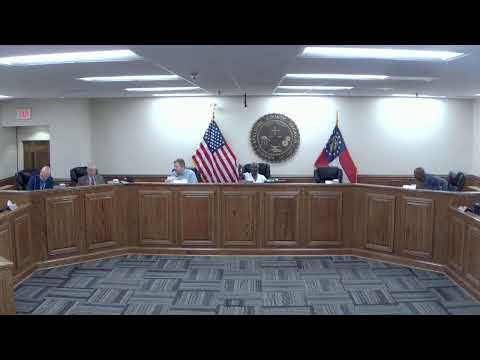
Dozens of residents, volunteers and veterinarians used the July 21 public-comment period of the Spalding County Board of Commissioners meeting to press officials for immediate changes at the county animal shelter, saying intake closures and inconsistent practices have left strays on the street and volunteers carrying the burden.
Speakers said the shelter recently refused to accept stray animals when it was full and that volunteers and local clinics have been forced to step in. Carrie Gessler, a resident who spoke during the meeting, said she believes the shelter’s euthanasia records lack required details, and asked how the county is handling severely injured animals after hours. She said, “On the sheet that animals that animals have been euthanized, there’s a space for the bottle number…that information is not on there.”
Why it matters: Speakers described repeated, recent incidents in which volunteers or private clinics rescued or attempted to rescue strays because they believed animal control would not. Multiple veterinarians and shelter employees described both crowding at the facility and heavy reliance on volunteers and outside clinics for medical care. They warned that long kennel stays can damage animals mentally and pushed for coordinated county responses rather than ad hoc volunteer efforts.
Details and responses: Veterinary staff and volunteers reported frequent calls to the shelter that they say were not answered. Dr. Jessica Titchaw, a veterinarian, described a case in which prolonged disagreement delayed euthanasia for a dog with severe, likely irreversible seizures and said the animal’s suffering was prolonged because “someone felt that they knew better.” Volunteer rescuers described trapping and caring for feral packs; Crystal Evans described a multi-year effort that trapped 31 animals after animal control declined to pick them up. Shelter employee KELLEY Parsons said the shelter handled 58 intakes and 44 adoptions in the two weeks after July 6 and that staff coordinate veterinary care for sick animals despite limited resources.
Diverging views: Several speakers defended the shelter and its staff. Alicia Fletcher, who volunteers with the shelter, said shelter staff “are by the book” and that some incidents raised at the meeting occurred under earlier management or reflected animals that were already ill on intake. Other speakers urged enforcement against owners who abandon animals and argued for spay-and-neuter programs, fines, or community-service requirements for violators. Rebecca Skelton said lengthy stays in concrete kennels can “chip away at a dog’s spirit” and called for limits on shelter stays paired with humane euthanasia when appropriate; others said euthanasia should be a last resort and that the county must expand capacity, funding and partnerships.
Board response and next steps: Commissioners and staff acknowledged the problem and urged collaboration. Commissioner Reginald Watts and others encouraged residents to work with animal-control staff and rescues and to bring constructive ideas and resources. County staff were asked to review policies, funding and the shelter’s intake practices; volunteers and rescue groups said they will continue offering support but asked for clearer county leadership. No formal policy change was voted at the July 21 meeting; numerous speakers requested transparency on records, funding for spay/neuter services and clearer intake protocols.
Ending: County officials said they will continue discussions with volunteers, rescue groups and veterinary partners. Several speakers asked the board to consider increased funding and enforcement actions to reduce the stray population and improve on-site medical capacity.