Get Full Government Meeting Transcripts, Videos, & Alerts Forever!
Get email alerts on the Capital Borrowing topic
No spam. Unsubscribe anytime.
Board hears scenarios for multi‑year capital borrowing to fund road work and capital plan
Summary
Financial advisor Ehlers presented four borrowing scenarios ranging from $2M to $6M annual funding paths, showing estimated tax impacts per average home and timing needed to issue debt before levy adoption.
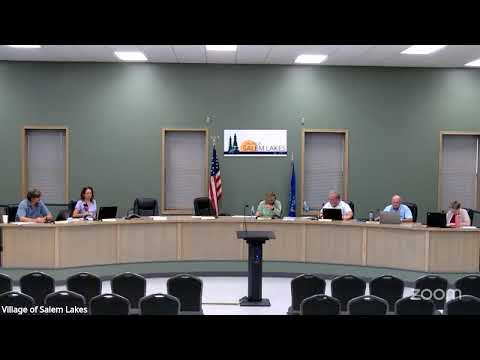
The Village of Salem Lakes Village Board received a presentation from Todd Taives of Ehlers on July 21 outlining four illustrative capital‑borrowing scenarios to fund roads and the village’s capital improvement plan. Taives described scenarios that start at $2 million in borrowing for 2026 and ramp up to $3 million (with 3% annual increases) or larger scenarios labeled C and D that would fund roughly 2 miles and 4 miles of roads per year respectively. He said one full‑funding scenario could reach $6 million in a single year. Taives provided example impacts on an average $450,000 home: the smaller scenario produced about $256 per year in additional tax impact; the largest, about $1,200 per year. Taives emphasized timing: to exempt debt service from the village levy limit, the village should issue debt before adopting the levy. “In a perfect world, we would know by August so we could bring a resolution to you in September, issue the debt in October,” he said. The board treated the item as discussion only and took no formal action; Taives said moving from direction to issuance is typically a two‑month process. Why it matters: the presentation framed tradeoffs between road funding speed and tax impacts on homeowners. The board will need to give staff guidance if it intends to include borrowing in the next budget cycle. Key clarifications from the meeting: Taives said the scenarios are illustrative and the board can choose any annual borrowing level; decisions would be made annually as part of the budget. He also explained that one method presented repays much of the borrowing the following year to reduce interest cost but requires leading the budget process so debt is in place before levy adoption. No motion was made; the board deferred action and directed members to consider the options ahead of upcoming budget work.