Get Full Government Meeting Transcripts, Videos, & Alerts Forever!
Get email alerts on the School Funding Earned Income Tax topic
No spam. Unsubscribe anytime.
Westerville board approves resolution to place 0.75% earned income tax on November ballot
Summary
At a July 21 special meeting the Westerville City Schools Board of Education voted unanimously to proceed with a 0.75% earned income tax question for the Nov. 4 ballot to help close a multi‑million dollar budget shortfall amid state funding changes.
The Westerville City Schools Board of Education voted unanimously July 21 to adopt a resolution to place a 0.75% earned income tax on the Nov. 4, 2025 ballot. The board approved the measure at a special meeting after staff described state budget changes and district revenue shortfalls; the vote was 4-0 with one member absent.
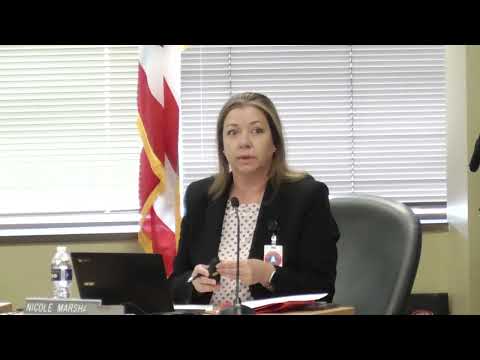
The resolution to proceed with a 0.75% earned income tax would ask district residents who earn wages or net self‑employment income to pay the levy; it does not apply to retirement, Social Security, unemployment, interest, dividends or capital gains, district staff said. Nicole Marshall, district staff member, told the board the district’s current estimates show the tax would generate roughly $24.3 million annually if collections match projections, with full collection expected in fiscal 2027.
Marshall said the district faces several revenue pressures tied to changes in the state funding formula and potential reductions in federal allocations. She told the board that, using the Legislative Services Commission’s simulations, the district would lose about $2.3 million from the state funding formula over the next two years and that the district has been underfunded by about $45 million since 2021 using the state’s own calculations.
Public commenters offered contrasting views. Doug Krinsky said he opposed the levy and warned it would burden working‑class families and renters, saying, “Mine’s in reference to the income tax proposal that you're gonna be voting on here shortly... If you do go ahead and approve that... I'll be fighting tooth and nail harder than the last levy.” Peg Duffy, a longtime meeting attendee, urged passage, saying the levy is likely “as low as they can go and still keep us running with a modicum of what we expect.”
Board members and staff discussed alternatives and constraints. Marshall explained that the district previously considered a traditional income tax and that the earned income tax yields a different revenue estimate; she also said earlier estimates from the Ohio Department of Taxation had varied (she noted an April estimate near $26 million that later shifted). The board and staff discussed the potential volatility of earned income revenue in a recession and noted that the state’s biennial budget contained vetoed provisions—including a proposed cap on fund‑balance carryover (the “clawback”)—that could affect district finances if enacted or revisited.
After discussion the board approved the resolution to proceed with the question, then took routine consent and personnel votes. The personnel consent agenda — which included classified and licensed resignations and hires and one administrative appointment at Huber Ridge Elementary School — was approved unanimously. The board scheduled its next regular meeting for Aug. 11 at 6 p.m. at the Early Learning Center and then entered executive session to discuss the employment and compensation of a public employee.
The resolution does not itself adopt the tax; it authorizes placing the earned income tax question on the November ballot. If voters approve the measure, collections would begin in calendar 2026 with full fiscal‑year collections realized in fiscal 2027, subject to state tax administration and any future legislative changes.