Get Full Government Meeting Transcripts, Videos, & Alerts Forever!
Get email alerts on the Race Relations topic
No spam. Unsubscribe anytime.
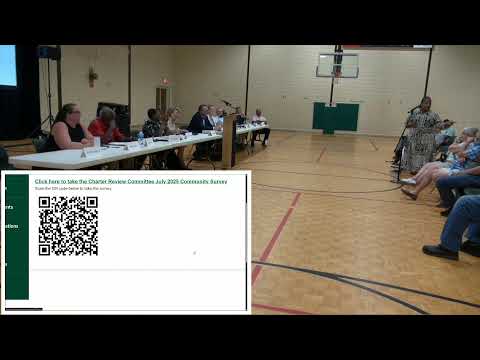
Speakers say racial history and mistrust shape public response to charter review
Summary
Several commenters at the hearing urged the committee to confront long‑standing racial tensions and distrust stemming from consolidation and past decisions, arguing those issues must be addressed for governance reforms to succeed.
Multiple attendees at the charter review public hearing tied current mistrust of government to historic racial tensions, consolidation and school desegregation, and urged the committee to account for those dynamics in its recommendations.
Ben Hassan, who identified a long record of civic engagement in Augusta, cited a 2001 citizen advisory committee report and urged that race relations remain central to local reform. He read from the report’s summary saying, in part, that race relations have been “the most daunting obstacle facing our community” and urged the establishment of a race relations body and private‑sector engagement to address those obstacles.
James Williams, who said he participated in the consolidation era, recounted the intent of an earlier consolidation and said the charter was designed to force elected officials to work across lines. “It was designed to cause the governing electives to work together,” Williams said, emphasizing that those historical choices continue to shape how some residents view possible changes.
Other speakers, including pastors and long‑time residents, said that until the community confronts racial divisions, structural changes to government will face uphill opposition. Several speakers said they intend to consult civic and faith leaders and may oppose committee recommendations unless concerns about transparency and process are resolved.
Committee members acknowledged these historical dynamics and said they will continue outreach and publish materials online so civic leaders and residents can review and discuss draft language before it goes to the legislature.