Get Full Government Meeting Transcripts, Videos, & Alerts Forever!
Get email alerts on the Impact Fees topic
No spam. Unsubscribe anytime.
Nampa adopts updated impact fees for parks, police, streets and fire; adds Nampa Fire Protection District schedule
Summary
City council approved a comprehensive plan text amendment and new ordinance to adopt updated capital improvement plans and development‑impact fees for parks, police, streets and the Nampa Fire Protection District.
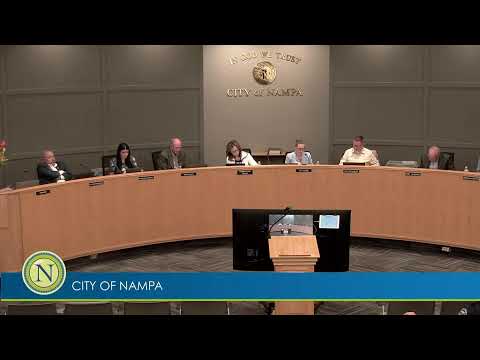
The Nampa City Council on July 21 approved changes to the city’s 2040 comprehensive plan and adopted a revised impact-fee ordinance that updates the city’s capital improvement plans, raises some development-impact fees and incorporates a separate impact-fee schedule for the Nampa Fire Protection District.
The council voted to add the fire district’s capital-improvement plan into the comprehensive plan as Appendix D‑1 and to pass an ordinance that revises Title 3, Chapter 7 and Title 2, Chapter 17 of the Nampa City Code to reflect the updated fee schedules and the district’s separate collection authority under an intergovernmental agreement.
Why it matters: Impact fees are charged to new development to fund growth‑related capital needs. The updated studies, prepared with consultant Tishler Bice, raise some fees and add finer categories for nonresidential uses. The changes affect future building permits and the cost of new housing and commercial development.
Key details: The update uses a 10‑year planning horizon and revised growth forecasts for the city and the fire district. Highlights include: - Parks: The draft “maximum supportable” fee for a single‑family home increased to about $3,133 (the prior fee was $2,476). The city kept its adopted fee below the theoretical maximum in some categories but raised the residential parks fee overall. - Police: The proposed residential police fee increases roughly 19% for single‑family; the study also added more granular commercial categories (institutional, manufacturing, warehousing, self‑storage) and moved to a per‑1,000‑square‑foot basis for nonresidential charges. - Streets: The city retained its level‑of‑service choice (Level D) for fee calculations to avoid much larger increases that would accompany upgrading to Level C; street fees rose but did not adopt the significantly higher Level‑C project list. - Fire district: Because the Nampa Fire Protection District covers city and some county areas, the agreed language adds the fire district’s CIP to the plan and sets the district’s impact fee schedule; the city and Canyon County will collect the same fire fee within the fire district boundaries.
What council and staff said: Senior planner Brianna Sun presented the required comprehensive-plan amendment to add the fire district CIP by reference, citing Idaho code requirements. Daniel (public works) and consultant Colin (Tishler Bice) described the growth assumptions, facility lists, and fee computations. Bill Gilgray, attorney for the fire district, told the council the changes align county and city adoption and set up separate trust accounts for city and district fees.
Votes and next steps: The Planning & Zoning Commission had recommended the changes. The council approved the comprehensive-plan text amendment and the ordinance by roll call and instructed staff to implement the new schedules and related administrative changes. The new fee schedule was presented to the local builders association before council action; staff proposed the ordinance take effect Jan. 1 to give builders time to adjust.
Ending: The update positions Nampa to fund growth-related capital projects in parks, police, streets and fire while standardizing how the city collects fire‑district fees in coordination with the district and Canyon County. Staff said they will publish the final fee tables and supporting documents and begin collecting the revised rates at the start of the implementation date.