Get Full Government Meeting Transcripts, Videos, & Alerts Forever!
Get email alerts on the Attendance Grading topic
No spam. Unsubscribe anytime.
Board removes strict five‑day makeup deadline from attendance policy and adds teacher discretion for extensions
Summary
The board revised language on makeup work and attendance so that students may make up missed work within five days of return but allows teachers to grant extensions at their discretion; the committee also removed a provision that reduced grades automatically for students suspended out of school.
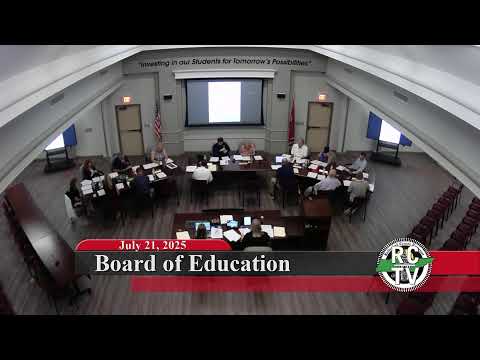
The Rutherford County Board of Education approved revisions to its attendance and makeup-work policy intended to reflect classroom realities and to give teachers discretionary authority to grant additional time for missing assignments.
Under the revised language discussed and approved by the committee, students may make up work for credit within five days of returning from an unexcused absence; any extension beyond five days may be granted by the teacher. The committee deleted language that automatically reduced work-credit to 80 percent for certain unexcused absences and clarified that out-of-school suspensions (OSS) will not be treated as an extra academic penalty for graduation-eligibility purposes.
Discussion centered on balancing academic rigor with equity and practical classroom logistics. Some board members argued a strict short deadline trains students for real-world deadlines; others, led by Doctor Martin, proposed allowing teachers discretion to grant reasonable extensions so students who faced legitimate barriers can complete work without being unfairly penalized. The committee settled on a hybrid approach: preserve the five-day expectation while explicitly allowing teacher discretion for extensions.
Board members noted the district already operates in this way in practice: teachers frequently accept later work, and principals retain the authority to override grading decisions in unusual circumstances. Several members warned that leaving the deadline open-ended could create a surge of late submissions near the end of grading periods and create additional workload for teachers; the teacher-discretion clause was intended to manage that risk.
The committee also struck a provision that would have further penalized students academically when they were suspended, explaining it would amount to double punishment for disciplinary actions. The revised wording aims to treat OSS as a separate disciplinary matter and not an additional automatic academic penalty.
Why it matters: the policy affects grading, teachers’ workloads and student accountability. The board tried to strike a balance between maintaining deadlines and allowing professional discretion.
Next steps: staff will update school handbooks and communicate the policy changes to principals and teachers. The committee asked staff to monitor whether the revised process generates a surge in late submissions and to recommend changes if implementation creates administrative overload.