Get Full Government Meeting Transcripts, Videos, & Alerts Forever!
Get email alerts on the School Nutrition topic
No spam. Unsubscribe anytime.
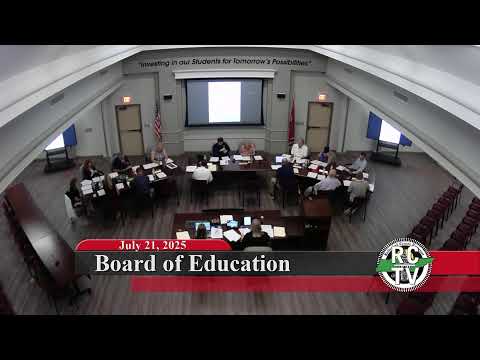
Board tightens meal-charge policy, sets $60 limit and bars a la carte charges for students with negative balances
Summary
The board approved a rewrite of the school nutrition policy to limit student meal charges to $60, bar a la carte purchases for students with negative balances and require alternate meals once the limit is reached.
The Rutherford County Board of Education approved changes to its school nutrition policy that set a $60 cap on meal charges for students and clarify that a la carte purchases cannot be charged when a student’s account has a negative balance. Under the revised language, schools will continue to provide an alternate meal to students who exceed the charge limit so no child goes without food, and parents will receive notifications as balances accumulate.
Director of Schools Doctor Sullivan said the rewrite is intended to reduce escalating unpaid meal debt. The new section limits student charges to $60 — roughly equivalent to two weeks of breakfast and lunch, the committee said — and specifies that only one reimbursable meal may be charged per meal service. The policy also forbids charging for a la carte items if a student has a negative balance.
Board members discussed how notifications and alternate meals will be handled. Staff said parents receive automatic notifications (email and phone) when their child’s account accumulates charges; when a charge reaches the $60 threshold the student will be served an alternate meal rather than the standard meal or a la carte items. “We’re not gonna let any kid go hungry,” Doctor Sullivan said.
The committee also clarified that adults may not charge meals in school cafeterias and that the policy is meant to reduce situations where unpaid balances grow unchecked. Historically, district practice has used various tactics and outreach to collect unpaid balances; the policy change formalizes a $60 cap and a la carte restrictions. Board members expressed support for the measure to curb long-term meal debt while maintaining that students receive food.
The board approved the rewrite and instructed staff to continue sending clear messages to families about how to view and manage meal accounts.
Why it matters: the policy affects students who rely on school meals and families with unpaid balances. The changes aim to limit unpaid meal debt while ensuring students continue to receive a nutritious alternate meal.
Speakers and roles identified in the discussion included Doctor Sullivan (Director of Schools) and multiple board members including Miss Sharp and Mister Tidwell, who asked clarifying questions about alternate meals and notifications.
What’s next: staff will implement the $60 threshold, continue automatic notifications, and include the policy language in school communications and handbooks.