Get Full Government Meeting Transcripts, Videos, & Alerts Forever!
Get email alerts on the Personnel Timekeeping topic
No spam. Unsubscribe anytime.
Council finance committee reviews draft time‑clock ordinance; biometric use and enforcement left for legal review
Summary
Committee members discussed a proposed time‑clock ordinance to require hourly and non‑exempt salaried employees to record attendance, addressed enforcement concerns including biometric fingerprint objections, and agreed to route the draft to legal counsel for revision and to return it at the next meeting.
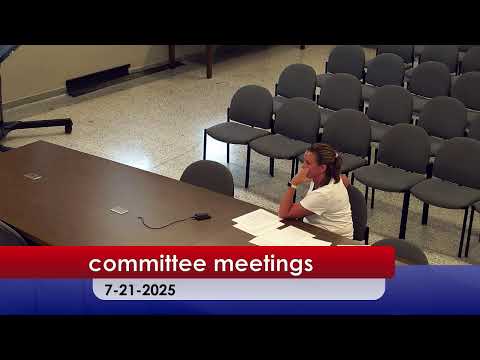
The Logansport City Council Finance Committee reviewed a draft time‑clock ordinance intended to standardize attendance reporting after a new time‑clock system was installed. Staff told the committee the policy would require hourly workers and salaried non‑exempt employees to clock in and out for attendance; the draft exempts elected officials, department heads and certain exempt positions.
Committee members and staff discussed enforcement mechanics (timecard edits, who may correct missed punches) and procedures for missed punches. Staff said employees who forget to clock would fill out a time‑clock correction form signed by the employee and the department head; human resources staff (Lauren) would be the only person authorized to make corrections in the system after review. Staff said the purpose of timekeeping changes was attendance documentation and audit readiness — the State Board of Accounts may request individual timesheets.
The committee also discussed biometric features of the time‑clock system and stated some employees have objected to using fingerprints. Legal counsel present said she had not yet completed a review of federal employment law implications and suggested staff send the draft ordinance to legal counsel (Kelly) and, if needed, an employment lawyer (Mark) for review. Committee members flagged potential issues including religious objections, reasonable accommodations, and whether refusing biometric use could affect pay. Legal counsel said she would review the draft and advise on enforcement language and statutory constraints.
Other operational issues discussed included rounding rules for hourly staff, how overtime or compensatory time would be handled for employees who work weekend emergency hours, and how missed punches or repeated failures to comply could escalate to discipline under existing personnel policies. Committee members asked for ordinance language, the time‑clock correction form, and suggested the draft be placed before the council only after legal review; staff said they would revise the policy and bring it back for further consideration, possibly at the Aug. 4 session.