Get Full Government Meeting Transcripts, Videos, & Alerts Forever!
Get email alerts on the Referendum Planning topic
No spam. Unsubscribe anytime.
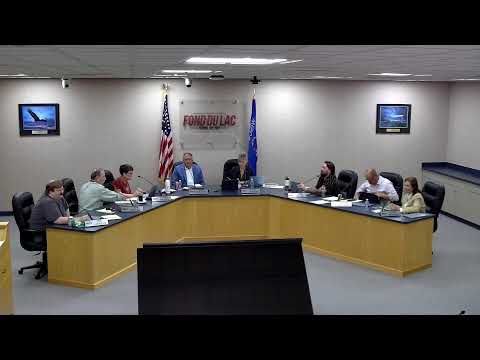
Board discusses potential referendum, enrollment decline and options for 'right-sizing' schools
Summary
At a workshop the board discussed running another referendum, reviewed enrollment declines, debated the merits of separating capital and operational asks, and asked staff for enrollment forecasts and a costed plan before moving to public polling.
Board members used the June 23 workshop to continue planning after a failed referendum earlier in the year and to consider next steps, including community polling and longer-term enrollment and facilities strategies.
Interim remarks from board leadership and Superintendent-level staff (presentation led by a district administrator) framed the discussion: the district’s enrollment has declined since 2006 (from 7,605 to 6,446 in numbers cited during the workshop), and staff projected a further decline (the board discussed a modeling estimate of roughly 7% decline by 2030 cited in previous forecasts). A staff estimate presented at the meeting projected next-year enrollment roughly 150 students lower than the previous year (an estimate subject to final counts and transient-population variability).
Board members debated scope and framing of a possible new referendum. Some urged separating a capital-safety ask (for example, high-school entrance and visitor-processing upgrades) from an operational or levy-based ask for recurring funding to maintain programs and staffing. Others argued that any ask should be accompanied by transparent plans for “right-sizing” (including school closures or consolidation if necessary), with clear cost-savings projections and timelines. Several board members said community skepticism after the earlier failed referendum arose in part because voters did not see clear cost reductions or alternative expense-cutting steps presented.
Board members discussed hiring a consultant (School Perceptions was the firm discussed) to design and run a community survey and to help frame referendum questions. The consultant’s proposed process would include a kickoff, survey design, targeted mailings and an external-proofing step, with results returned to the board in late November–early December. Staff said the consultant’s phased work (four phases) is typically billed in smaller increments (the presenter noted a ballpark of roughly $3,000 per phase listed in the firm’s outline, for an estimated $12,000 baseline for that analytic work, plus mailings and additional data tasks) but that final costs and scope must be confirmed. Board members asked staff to obtain a detailed quote and to circulate the consultant proposal to the board.
Members asked for immediate staff follow-ups before any polling or asking the community for additional funds: a refreshed 3- to 5-year enrollment forecast, an analysis of what right-sizing (school closures or reconfigurations) would save on an operating basis and what it would cost to implement, and clearly defined project lists and dollar amounts for any safety or facilities asks. Staff agreed to provide a refined forecast model, a clearer list of near-term safety priorities (for example, the high-school entrance and visitor-screening upgrades discussed earlier), and a tighter cost estimate for consultant-assisted community polling.
The board was explicit that any referendum planning should include transparent communication for voters about what will happen if proposals fail (timelines and consequences). Several members emphasized that closing a school can take multiple years to implement and that the board should not present decisions to the public without planning for contingencies.
Direction to staff: secure a detailed written proposal and cost estimate from the consultant, refresh enrollment forecasts (3–5 year model), and return to the board with costed options (capital and operational) and communication plans so the board can decide whether to proceed to community polling and a formal referendum question.