Get Full Government Meeting Transcripts, Videos, & Alerts Forever!
Get email alerts on the Governance topic
No spam. Unsubscribe anytime.
Board workshop reviews Roberts Rules procedures, debate limits and public-comment practices
Summary
An executive assistant who completed parliamentary training guided the board through Robert's Rules basics, including motions, amendments, debate limits, calling the question and public-comment protocols; the board discussed how to adapt rules to a small seven-member body.
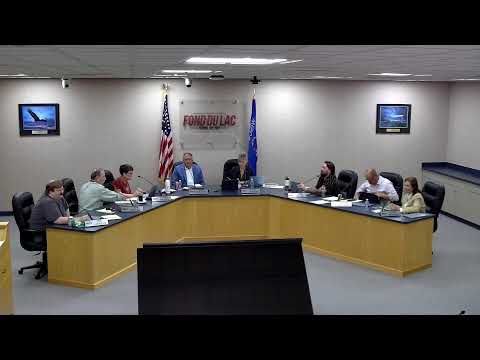
At a June 23 workshop that followed the regular meeting, the Board of Education received a detailed session on parliamentary procedure and how the board will apply selected Robert’s Rules practices going forward.
Hallie (executive assistant) presented the material after studying Robert’s Rules and working with board leadership. She summarized core principles: majority rule with protection of minority rights, adherence to agendas, recognition by the chair before speaking, structured motions and roll-call voting for action items (per board bylaws), and procedures for amendments, postponement, calling the question and reconsideration.
She explained how a main motion, primary and secondary amendments, debate limits and the call for the previous question work. The board discussed local adaptations appropriate for a small seven-member body — for example, allowing members to speak once on a topic unless the chair permits a follow-up for clarification — and emphasized the chair’s role in preserving order while ensuring minority voices are heard.
Board members debated trade-offs between concise meetings and open discussion. Several members said they value substantive, sometimes extended conversations in workshops but want main-meeting action items to be efficient and focused. The board and staff agreed to encourage members to submit questions ahead of meetings when possible and to allow the chair discretion to reopen discussion for clarifying points or newly raised information.
The workshop also covered public-comment logistics and suggested options (sign-in sheets, grouping similar comments, time limits) to help the chair manage community participation while complying with Wisconsin open-meetings law. The presenter reminded the board that public comment is not required by law but is a local policy decision and that executive sessions are the legal exception to public attendance.
No formal bylaw change was adopted at the workshop; members and staff said they would continue to apply the guidance and consider small policy updates if the board wishes to codify specific practices.