Get Full Government Meeting Transcripts, Videos, & Alerts Forever!
Get email alerts on the School Safety topic
No spam. Unsubscribe anytime.
District describes drills, Raptor check-in and crisis team as part of school-safety plan
Summary
The district’s new director of facility services and safety outlined drills, the ‘I Love You Guys’ response protocol, Raptor visitor screening and a monthly crisis response team that includes first responders and neighboring schools.
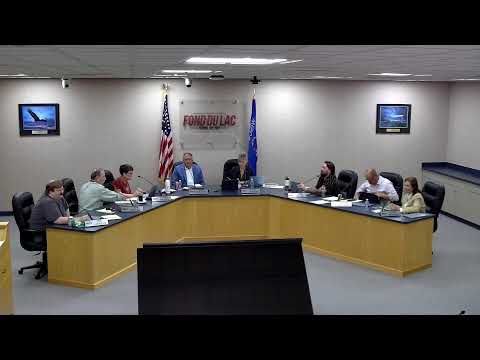
Mike Blaszkowski, the district’s new director of facility services and safety, introduced himself and walked the Board of Education through the district’s safety framework, drills and crisis-response practices at the June 23 meeting.
Blaszkowski said the district uses the I Love You Guys Foundation’s Standard Response Protocol language (hold, secure, lockdown, evacuate, shelter) across kindergarten through 12th grade to give students and staff consistent, simple directions during incidents. He described the district’s four crisis-management phases: prevent, prepare, respond and recover.
He told the board that Wisconsin law requires monthly fire drills and at least two unannounced tornado/hazard drills and two unannounced school-safety (lockdown) drills per year. Drill logs are collected by the district, and he said the district conducts audits with local emergency responders to identify improvements.
Blaszkowski described district-wide prevention practices: district-issued employee ID badges; visitor check-in using the Raptor system (IDs are scanned and screened, and visitor badges printed); custodial checks of building exits and doors; and building-level safety teams led by principals.
He outlined the crisis response team structure: monthly meetings with school leaders (including some parochial-school principals) and first responders to coordinate emergency response, run audits and plan reunification procedures. He said the district plans a drop-off and pick-up audit with the city engineering office to improve traffic safety at school entrances.
Board members asked whether parents serve on the crisis team (Blaszkowski said not currently but supported discussing it), about specific roles assigned during incidents (incident commander, operations, logistics, first-aid coordinator and public-information officer were cited by a board member), and whether first responders participate in unannounced drills (they do — police, fire and dispatch take part in at least one drill and provide evaluation feedback).
Blaszkowski said district staff are continuing to expand training (for custodial staff, maintenance and instructional-assistant supports), to hang response procedures in classrooms in both English and Spanish, and to ensure principals review plans with staff. He noted the district has a visitor-scan history showing more than 1,200 Raptor scans in the past year and that the district’s preparedness work has been praised by external auditors and neighboring private schools that attend the district’s safety meetings.
Board members and staff emphasized practical items for follow up: evaluating the high school entrance and visitor processing, ensuring Raptor devices are functioning at all sites, auditing drop-off/pick-up patterns, and continuing joint drills with fire and police. Blaszkowski said the district will maintain and refine those practices and continue collaborating with emergency responders.
No formal action was taken — the presentation was informational and generated board direction for audits and follow-up work.