Get Full Government Meeting Transcripts, Videos, & Alerts Forever!
Get email alerts on the Human Resources topic
No spam. Unsubscribe anytime.
Board reviews exit-survey and retention data as instructional-assistant turnover rises
Summary
District HR presented a 14-year retention and exit-survey report showing a small overall increase in separations, rising instructional-assistant turnover, stable teacher retention below the state average, and a set of planned training and evaluation actions.
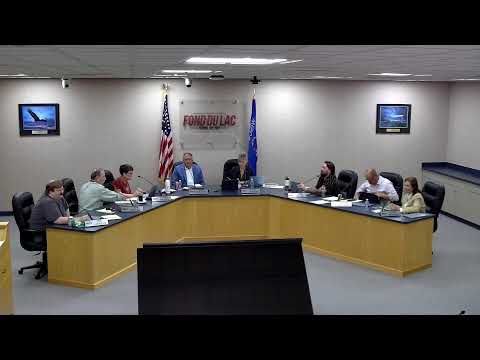
Board of Education members in the Fond du Lac School District heard an annual report on employee retention, resignations and exit-survey results at the June 23 regular meeting.
The district’s exit-and-retention presenter, Marissa Lombardo, told the board the report covers 14 years of data on resignations and retirements for all employment groups, using the district fiscal year (July 1–June 30), and is updated each year to inform retention strategies.
The presentation showed a small overall increase in separations this year — nine additional departures across all employment groups — and identified instructional assistants (IAs) as the largest retention challenge. Lombardo said instructional-assistant departures in the most recent year included 29 resignations and 4 retirements, and that many IAs reported leaving to move, return to school, or to pursue better pay. For teaching staff specifically, Lombardo reported 78 total separations (68 resignations and 10 retirements) and said the district retained 86.51% of its teaching staff (578 teachers), producing a turnover rate of 13.49%, which she noted remains below the state average of 15.8%.
Lombardo described exit-survey participation and findings. The survey was completed by 56 departing employees (43.1% of exiting staff), down from 50% the prior year; respondents included teachers, instructional assistants and a small number of administrators and custodial/maintenance staff. Among reasons cited for leaving, “accepted a position closer to home” rose to 18.4% (up from 9% the previous year); returning to school rose to 11.8% (from 2%); and seeking higher salary/benefits increased slightly to 11.8%.
Board members asked about anonymous response rates, whether names were required on the survey, and whether results could be broken down further (for example to identify how many special-education teachers were leaving). Lombardo said the survey does collect names and that she could return with further cross-tabs on role and years of service if the board wanted them.
Lombardo summarized themes from free-text comments: strengths cited included the district’s student focus, curriculum consistency and collegial staff; areas for improvement included clearer communication at multiple levels, more mentorship and training for new staff, improved feedback and evaluation for nonteaching staff, and better recognition for employees.
She recommended and described action items already under way: expanding the scope of educator-development staff (formerly new-teacher retention specialists) to give broader support in the first three years; continuing and expanding instructional-assistant training and custodial training (including use of the Vector online system for safety modules); rolling out a redesigned evaluation model that includes nonteaching staff and “rounding” to gather more frequent input; and additional emphasis on communicating the district’s mission and staff recognition.
Board members suggested several follow-ups: separating salary-versus-benefits questions on future surveys (to clarify whether departures were due to pay level or benefit understanding), providing compensation statements so employees see the dollar value of benefits, reviewing the anonymity and timing of survey distribution to increase response rates, and adding specific data on special-education teacher turnover. Lombardo agreed to provide requested breakdowns and to return with refined analyses.
The discussion closed with board members and staff agreeing that training and improved communication are priorities in the near term, and that the district should continue to monitor IA turnover and evaluate the impact of the new evaluation model and expanded educator-development support.
Lombardo emphasized the district’s action orientation: “We’ve responded to prior feedback regarding training and support needs — this year’s survey results demonstrate we’re making progress,” she said, while noting continued work remains to be done.
The board took no formal vote on the report; the presentation was informational and generated direction to staff for follow-up work and additional data.