Get Full Government Meeting Transcripts, Videos, & Alerts Forever!
Get email alerts on the Social Services Programs Admissions topic
No spam. Unsubscribe anytime.
Social services report: admissions rise, dementia care and peer-support expansions at Lakeland Healthcare Center
Summary
Social services staff reported increased admissions and a higher maximum census, new partnerships for dementia care, a peer-support program for staff and an MSW intern from UW–Madison; the department also highlighted community outreach and caregiver support programs.
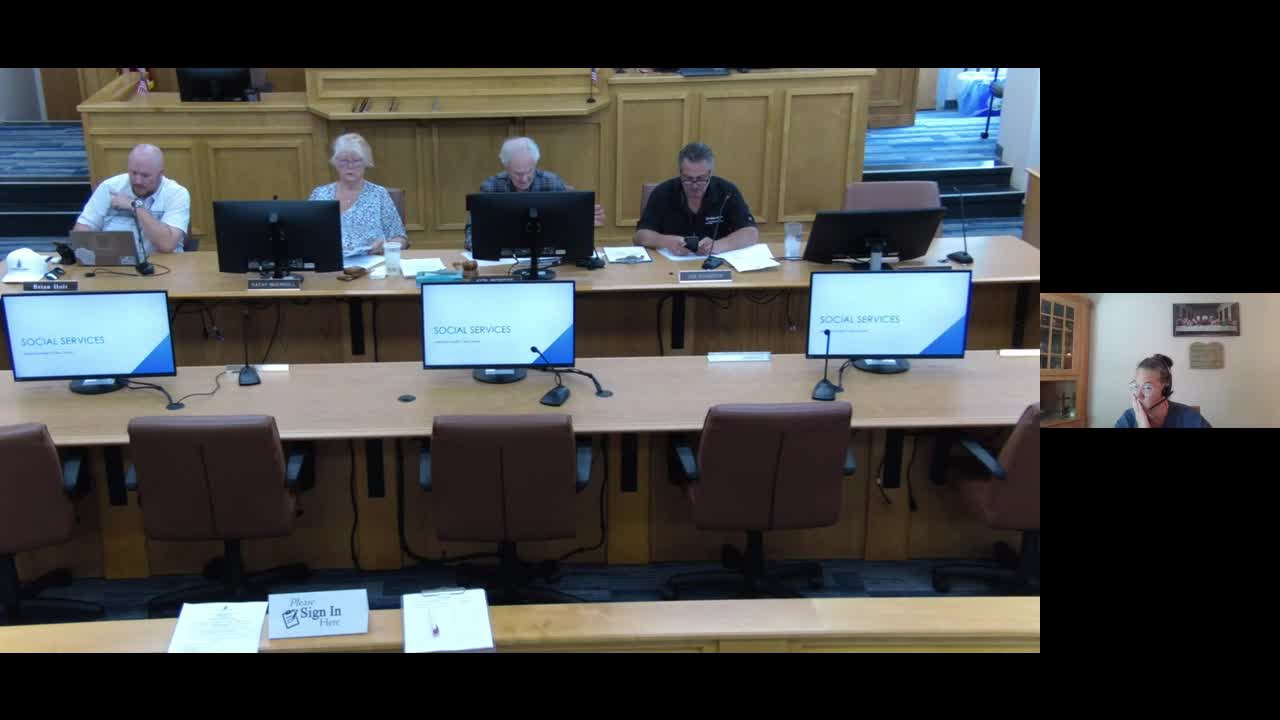
Mel Davis, manager of social services at Lakeland Healthcare Center, and Mary Stenzl, admissions coordinator, presented the department’s annual report to the Board of Trustees on July 16, describing higher admissions, program expansions and staffing changes.
Why it matters: social services coordinate resident transitions, family support and psychosocial care needs; changes in referrals, capacity and community partnerships affect residents’ access to services and post-acute discharge outcomes.
Admissions and census: Mary Stenzl reported that from January through June 2025 the facility admitted 115 residents and discharged 100. The department noted a January spike in referrals tied to elective surgeries and a recent increase in the facility’s maximum census from 83 to 89 because of improved nursing and CNA staffing. The admissions presenter said day-of-meeting census was 87 and the waiting list fluctuated (about 23–24 people at one point).
Programs and partnerships: Mel Davis said the facility has a new medical group, Oak Medical, working with the facility on gradual dose reductions for psychotropic medications. Social services highlighted expanded dementia training, outside-provider dementia-care sessions, development of a peer-support program (in partnership with Health and Human Services) that had received about eight referrals year-to-date, and ongoing trauma-informed-care education for staff.
Community engagement and workforce development: the presenters said the department participates in Meals on Wheels rotations, runs a caregiver-connections support group, has provided advanced directive/POA training in the community and will host an MSW intern from UW–Madison starting in September. The presenters also said Gateway nursing students access virtual dementia training even when they do not perform clinical practicum at LHCC.
Staffing notes and goals: presenters introduced a recent promotion/appointment: Andrea Jacobs was named assistant administrator; she previously served as a social worker and has worked with Walworth County for 13 years. Social services’ goals include maintaining dementia-specific care recognition, continuing tabletop emergency exercises with partners (public health, DPW, Lakeland School), increasing use of the facility van for transports, and expanding caregiver-connections into community residential settings.
Discussion vs. action: trustees received the report and asked no substantive follow-up action; the presentation recorded program initiatives, staffing additions and community partnerships but no formal votes.
What remains unspecified: the presentation did not provide full financial details for program costs or quantify the expected fiscal impact of an increased census.