
Albany treatment center outlines plan for weekday mobile methadone unit to serve Sweet Home area
Get AI-powered insights, summaries, and transcripts
Subscribe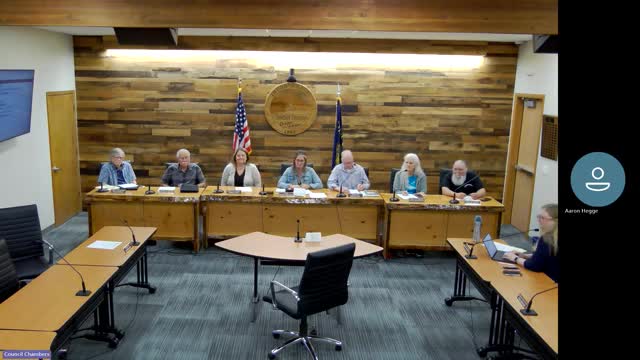
Summary
Albany Comprehensive Treatment Center told the Sweet Home Health Committee it plans a Monday–Friday mobile methadone unit to address long travel times and transportation barriers for local patients, pending DEA licensing and site permissions.
James Page, acting clinical supervisor and representative of Albany Comprehensive Treatment Center, told the Sweet Home Health Committee that the clinic plans to station a mobile opioid treatment unit in Sweet Home five days a week to reduce long commutes and transportation barriers for patients.
Page said the program opened in Albany in November 2021 and now serves roughly 350 patients. He described travel burdens for people in the Sweet Home area, saying many face a "90 minute round trip" to Albany and frequent problems with medical-transport scheduling. "There’s a lot of barriers for patients who live in this area," Page said.
The proposed mobile unit would be a clinic-equipped recreational vehicle operated as an extension of the Albany site under that facility’s Drug Enforcement Administration (DEA) licensure. Page said the unit would be stationary at a single leased parking location in Sweet Home for three to four morning hours — he suggested typical on-site hours around 5:30–9:30 a.m. — and run Monday through Friday. He estimated the DEA licensing process and related steps would take roughly three months and said the vehicle is currently located in Utah.
Under the plan, patients would be admitted at the Albany clinic; the center said it would provide Uber Health transport for an initial admission appointment and then patients could receive dosing and routine services at the mobile unit. Page described the mobile crew initially as a nurse and driver, with counseling services provided primarily from Albany until the unit’s census justified adding an on-site counselor.
The clinic dispenses methadone and buprenorphine products; Page said the majority of patients come for methadone. He described the program as "harm reduction based," and noted federal and state oversight: DEA audits, state audits, and accreditation reviews (CARF). He also said Albany CTC is now part of the Behavioral Health Resource Network and expects Measure 110 funding in July to expand coverage for uninsured or underinsured patients.
Page provided operational figures: the Albany clinic’s census is about 350 patients; approximately 85% of that census are covered by Oregon Health Plan (OHP); roughly 40% of current patients receive 13–27 take‑home doses; and the program’s average length of stay is about 160 days. On safety, Page said he was aware of a single overdose death among patients previously served who had left treatment and been jailed; he cited that as his only confirmed patient death to date.
Committee members asked about local zoning and permits, parking, and whether Medicare patients can access transport programs. Cicely (staff member) said location would likely require permits and could be subject to zoning restrictions. Page said initial Uber Health rides for first appointments would be covered by the clinic and that Rideline is a Medicaid transportation service; he added that Medicare coverage for transportation varies by plan. Committee members offered to help with locating parking and said some could provide letters of support to city officials.
Page emphasized regulatory constraints tied to methadone: "Methadone is the far superior treatment modality for folks with opioid use disorder" in many cases, he said, and noted that DEA rules make certain delivery models more difficult than others. He described the mobile unit as an extension of Albany’s DEA and state licensure rather than a separate facility.
Discussion points included: parking/lease options in Sweet Home, the permit process, timeline for DEA licensure, use of Measure 110 funds for uninsured patients, and coordination with local social services. Committee members asked about referrals; Page said people can call the clinic or use the clinic’s 24/7 call center and that walk‑ins before about 9:30 a.m. Monday–Friday can be admitted same day.
The committee did not take a formal vote at the meeting. Members discussed next steps including connecting Page with local contacts for parking, permitting staff, and Samaritan-area providers, and offering to send informational materials and business cards to local service points (police department, Family Assistance Center). Page said he would follow up with printed pamphlets and contact information.