Get Full Government Meeting Transcripts, Videos, & Alerts Forever!
Get email alerts on the Downtown Vacancy Seap Fund topic
No spam. Unsubscribe anytime.
Sweet Home staff reports 24% downtown vacancy, outlines SEAP fund history and uses
Summary
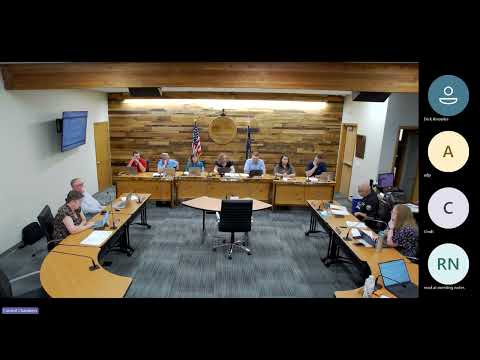
Council received an inventory showing 30 vacant commercial buildings (24% of 125) in the downtown corridor and a staff summary of the Economic and Community Development (SEAP) fund that seeded storefront grants and other local economic activities.
Councilors received an inventory showing 30 vacant commercial buildings out of 125 in Sweet Home's downtown corridor, a 24% vacancy rate, and a staff memorandum explaining the source and allowable uses of the city's Economic and Community Development Fund (referred to in the memorandum as SEAP).
The presentation described three city‑owned properties not used for city operations: Old City Hall on Twelfth Avenue, a former feed store at 1244 Long Street, and the Flex Building at 4296 Osage. Staff reported the Flex Building currently has a tenant and yields roughly $10,000 in net annual revenue after taxes; Old City Hall and the former feed store are vacant. The city's code enforcement officer conducted the downtown inventory during the week of June 2.
Staff briefed council on the SEAP fund's origin and uses. The fund began in the 2017–18 fiscal year when the city took over some federal home‑loan repayments; the budget book language at inception noted that repayments and future repaid loans would be used for economic development projects and business incentives in Sweet Home. The initial book balance cited in the memo was $215,575 and the budget committee recommended a $200,000 general fund transfer, producing a beginning balance of $415,575. From 2018 through February 2024 the city dispersed 55 grants to 36 unique requesters totaling $346,641.54, staff said.
Staff emphasized that SEAP is not a single dedicated storefront fund but a broader economic development pool. Eligible uses the memo listed include storefront grants, advertising, consultant payments, event support and other economic development activities; staff said the remaining funds beyond the grant totals were used for those other allowable purposes. The memorandum also noted uncertainty about federal grant oversight language tied to the Flex Building: original grant terms said if the city no longer used the building for economic development, oversight could revert to the federal government or require the city to purchase the interest from the federal government.
Councilors asked clarifying questions about the geographic scope and counts. Staff said the vacancy count covered the downtown corridor on Long Street and Main Street between Tenth Avenue and Eighteenth Avenue and that the 30‑building figure excluded residential units (it reflects commercial vacancy only). Several councilors reiterated the council's earlier unanimous adoption of downtown vacancy as a council goal and said the city should consider both incentives and other tools to address vacant storefronts.
The memorandum was provided for information and no formal council action on the inventory or SEAP fund was taken at the meeting. Staff indicated the memo responded to council's prior work‑session questions and concluded its presentation.