Anderson School District 5 approves balanced 2025–26 budget with no millage increase
Loading...
Summary
The Anderson School District 5 board approved its FY2025–26 budget on second reading, keeping property tax millage unchanged and budgeting raises and new staff while reserving $177,000 in case state funding shifts.
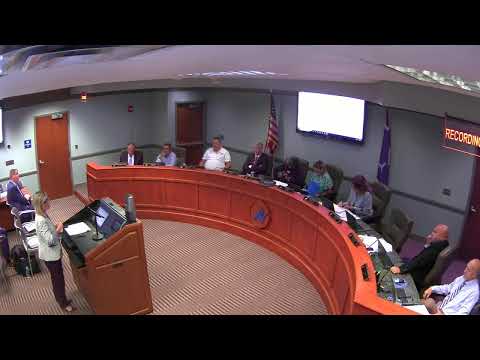
The Anderson School District 5 Board of Trustees approved the district’s fiscal year 2025–26 budget on second reading, adopting a balanced plan that does not increase property tax millage.
The budget anticipates $161,100,000 in general-fund revenues and expenditures under the version presented to the board, a 4.92% increase from the prior year. “We do have a balanced budget for the 2526 school year. There is no millage increase in this budget for Anderson School District 5,” said Amy Hurd, who presented the budget highlights during a public hearing. Hurd later told the board the conference committee figures produced approximately $177,000 more than the version brought through the committee process; administration recommended holding that amount in reserve.
The nut graf: the board approved a budget that funds pay increases and additional staff while preserving flexibility in case state funding is adjusted after official enrollment counts.
Most immediately, the budget includes a $2,000 stipend for teachers, pay increases for hourly staff (about $3 per hour for assistants and $4 per hour for HVAC technicians), and a 2% cost-of-living adjustment for other eligible employees. The board also adjusted the principal salary scale. Hurd told trustees the district budgeted statutory step increases for eligible teachers and a district eligibility rule for other employees.
Administrators added several positions for 2025–26 in the proposed plan, including a multilingual teacher, a multilingual translator, six secondary interventionists, an elementary alternative class (teacher plus assistant), and additional school security staff and equipment. The district also increased its special-education maintenance-of-effort line (a federal requirement), and forecasted higher workers’ compensation, liability insurance, contract, and utility costs. The board approved increasing capital contributions to the countywide Renaissance Academy and added a pay-out provision of $65 per day for employees with more than 90 sick days beginning June 30; the maximum accrual noted in the presentation is 105.75 days.
Hurd said administration trimmed expenses by eliminating a district-level position, a vacant digital integration specialist role, district lunch monitors and by reducing teacher headcount by seven through vacancies, retirements and attrition; she emphasized no employees were subject to involuntary layoffs as a result of these reductions. The district also reported recertification for four more years under the Community Eligibility Provision, which will continue free breakfast and lunch for students districtwide.
The presentation explained why administrators recommended holding the $177,000 conference-committee increase in reserve: state funding is adjusted after the 45th and 135th day enrollment counts and can move up or down based on statewide and charter enrollment. “It is our recommendation … that we leave that set aside in case our funding decreases and the state reduces our funding in December for the 45th day,” Hurd said.
Board members discussed salary schedule mechanics at length during the public hearing; several trustees voiced concern about capping pay formulas and about equity across employee groups. Superintendent Dr. Kelly and finance staff warned that retroactive changes to established salary schedules could complicate payroll and staffing formulas and recommended any structural change be considered in a future budget cycle.
The board also voted during the budget motion to repurpose a $30,250 line item originally set for board compensation to “student assistance” after the state ethics commission issued guidance that board members could not vote themselves interim pay increases during their current terms. That change was made as an amendment during the budget vote; the administration said the funds could later be transferred back if state or legal circumstances changed.
The motion to approve the budget on second reading passed without recorded opposition. Trustees will present the adopted budget information to the county board of education as part of county budget review.