Lifetime Citizen Portal Access — AI Briefings, Alerts & Unlimited Follows
UC Berkeley: U.S. passenger vehicles and EVs have grown heavier; California’s weight fees vary by vehicle class
Loading...
Summary
Researchers from UC Berkeley presented national and California analyses showing average curb weights have risen since the 1980s, electric vehicles and pickups add substantial mass, ADAS penetration in new cars is high, and California’s registration fees apply unevenly by vehicle class.
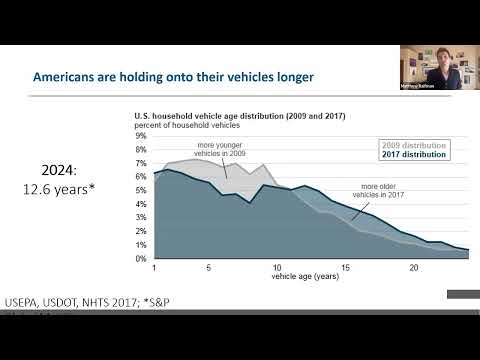
UC Berkeley researcher Matt Raifman presented findings to the Transportation Commission Task Force showing that the average curb weight of new passenger vehicles sold in the United States has increased steadily since the 1980s and now exceeds 1975 levels. The academic team contrasted the “flow” of new model‑year vehicles produced for sale with the “stock” of registered vehicles on the road and emphasized that turnover takes many years: the average American now keeps a car about 12.6 years.
The report traced how regulatory changes in the late 1970s, including the corporate average fuel economy (CAFE) program, helped reshape vehicle design and buyer preferences. Raifman said that CAFE-era carveouts and other incentives contributed to the long-term shift from sedans and wagons to larger truck‑style SUVs and pickups. “Vehicles are getting heavier over time. This is a trend that’s been established,” Raifman said.
The research team ran two parallel analyses: national production data and California registration data from the Department of Motor Vehicles. On the California registered fleet (about 30 million vehicles), sedans remained the largest single class in 2023, but the proportion of SUVs has grown rapidly and is poised to overtake sedans within several years, the presentation showed. Pickup trucks hold steady at roughly 15% of registered vehicles overall and are substantially more common in rural counties.
Electric and hybrid vehicle powertrains increase mass relative to internal‑combustion counterparts in comparable body classes. The presentation included examples: a battery version of the Volkswagen Golf is about 17.5% heavier than its gasoline variant; certain electric pickup and truck variants can be 24–30% heavier than the gas versions of the same model.
The team also summarized the current state of weight‑based registration fees across the United States. About half of states have some form of a weight‑based fee; California’s fee schedule applies to commercial vehicles (a category that the state’s rules also include many pickup trucks), producing scenarios where an SUV and a pickup of the same curb weight can face different fees. Using a 2023 Ford F‑150 XL (4,021 pounds) as an example, the presenter showed the registration fee for that vehicle in Sacramento County included an $80 weight‑based component under California’s schedule.
On vehicle safety technology, the presentation noted rapid adoption of advanced driver assistance systems (ADAS) in new model‑year vehicles. Data cited from PARTS (a federal/industry initiative) indicate several ADAS features—forward collision warning, automatic emergency braking (AEB), lane departure warnings, and pedestrian detection—now exceed roughly 90% penetration on new model‑year vehicles. The presenter cautioned that penetration does not equate to uniform efficacy: more recent model years show higher AEB performance, and heavier vehicles tend to have lower measured stopping‑effectiveness for AEB in PARTS’ real‑world analyses.
The task force discussion after the presentation focused on clarifying the datasets (VIN‑based DMV registration data and national production data), differences between new sales and the in‑use fleet, and policy implications for registration fees and infrastructure. Staff committed to sharing slides and receiving written feedback from task force members.
Ending: The UC Berkeley team said the vehicle‑weight and ADAS findings are intended to inform policy discussions without prescribing specific actions. Staff will circulate the slides and a summary and invited written feedback prior to the next task force meeting.